
Corruption Eradication Commission Signals Potential Detention of Yaqut After Hajj Quota Case Pre-trial Dismissed
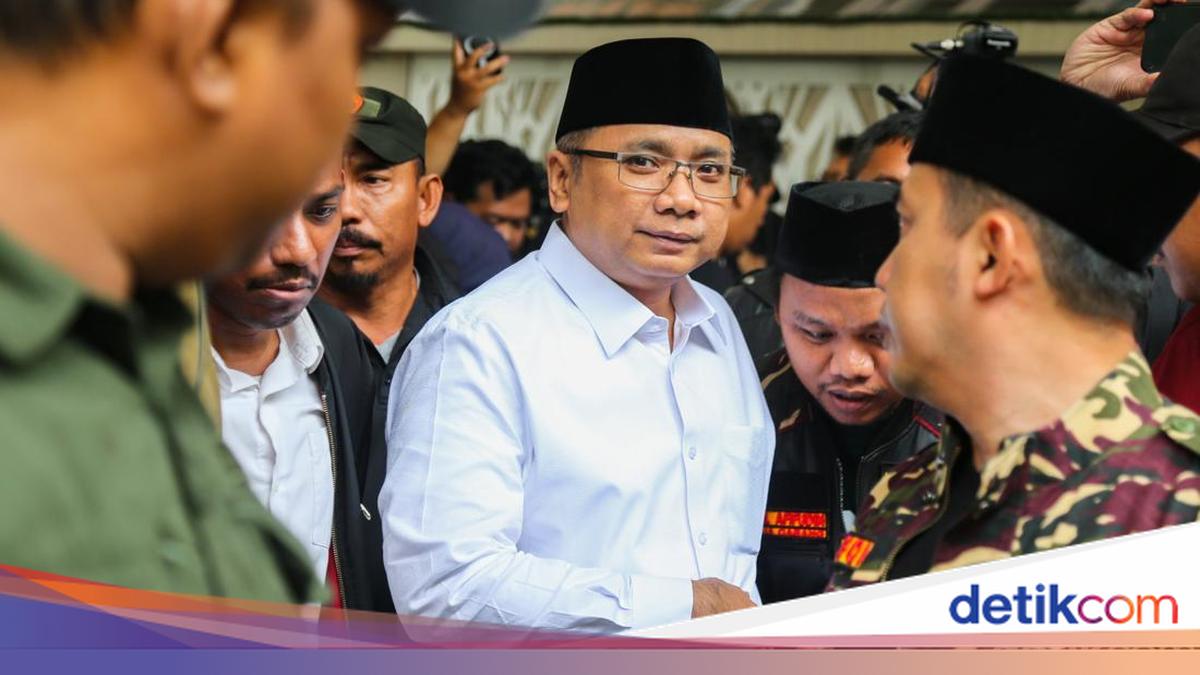
A single judge at South Jakarta District Court rejected the pre-trial motion filed by former Religious Affairs Minister Yaqut Cholil Qoumas regarding his suspect status in a corruption case involving hajj quota allocation. The KPK has signalled potential detention of Yaqut.
KPK Deputy Chief of Enforcement Asep Guntur Rahayu initially expressed appreciation for the judge’s ruling. He stated that the KPK respects the court’s decision.
“I wish to express appreciation and respect for the court’s ruling. Certainly we respect the decision made by the panel,” Asep said at South Jakarta District Court on Wednesday (11 March 2026).
Asep stated that the KPK can proceed with legal proceedings following the pre-trial ruling. He indicated that the KPK will call Yaqut in for questioning as a suspect this week.
“Since at present, his status is that of a suspect. He is being called in. This week,” he said.
Asep then discussed the possibility of the KPK detaining Yaqut as a suspect. He stated that the KPK will not delay detaining a suspect.
“If the considerations are appropriate, certainly we will detain him, we will not delay. So it is not because of any problems, there are no problems. Certainly we will assess how the process proceeds, something like that,” he said.
Judge Rejects Yaqut’s Pre-trial Motion
Previously, the judge rejected the pre-trial motion filed by Yaqut Cholil Qoumas regarding his suspect status in the hajj quota corruption case. The judge ruled that Yaqut’s status as a suspect is legally valid.
“The court rejects the petitioner’s entire pre-trial motion,” said single judge Sulistyo Muhamad Dwi Putro in reading the ruling in pre-trial case number 19/Pid.Pra/2026/PN JKT.SEL at South Jakarta District Court on Wednesday (11 March).
The judge stated that the KPK’s determination of Yaqut as a suspect complied with applicable procedures and regulations. The judge stated that the scope of pre-trial review is limited to assessing formal aspects.
“Burdening the petitioner with case costs of zero,” the judge stated.