
Coronary blockage is the world’s leading killer: recognise the symptoms, treatment and prevention.
HEART is a vital organ that pumps blood to the entire body without pause. If the heart stops beating, the function of other organs will collapse. One of the most serious threats is coronary blockage, a condition that often occurs without awareness but carries a fatal risk.
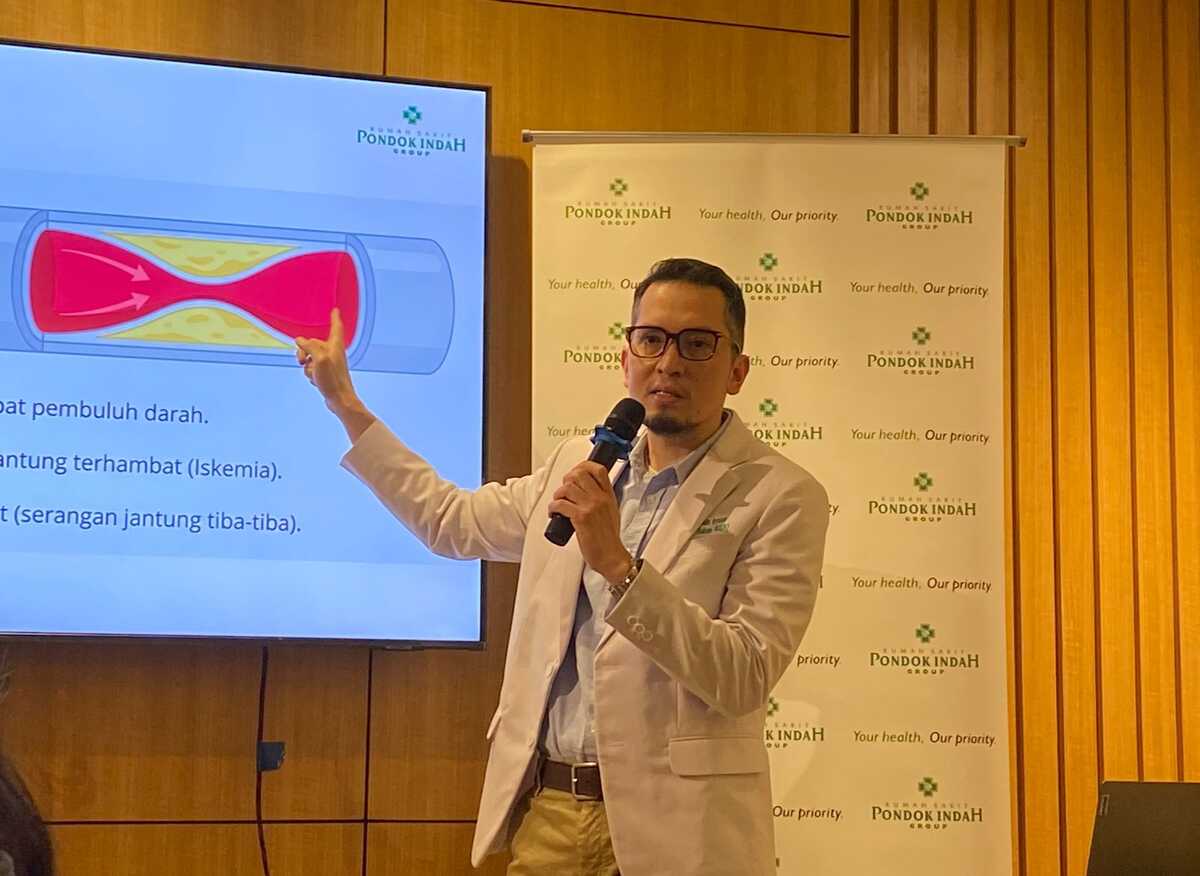
‘To date, coronary heart disease remains the leading cause of death for people worldwide. Not only in Indonesia but also in Japan, the United States, Europe—it’s the same everywhere: the leading killer is coronary heart disease,’ said Dr Nanda Iryuza, a Cardiologist and Interventional Cardiology Sub-Specialist at Pondok Indah Hospital in a media discussion in Kebayoran Baru, South Jakarta, on Wednesday (4/3).
Coronary blockage, or Coronary Heart Disease (CHD), occurs due to the buildup of plaques (fat, cholesterol, and calcium) in the coronary arteries. This phenomenon impedes oxygen supply to the heart muscle (ischaemia). If left untreated, this condition can trigger a heart attack.
Risk factors fall into two main categories. First, non-modifiable factors (age, sex, family history, and ethnic background) and modifiable factors (lifestyle interventions such as stopping smoking, controlling hypertension, maintaining cholesterol, and addressing obesity).
Symptoms vary in severity, but classic signs to watch for include:
Chest pain (Angina): a sensation of pressure, heaviness, or burning in the chest.
Shortness of breath: difficulty breathing during activity or at rest.
Pain radiating: discomfort extending to the left arm, neck, and jaw.
Cold sweats: sudden cold sweats, nausea, dizziness, or faintness.
If you or a loved one experiences these symptoms, the most appropriate course of action is to head to the Emergency Department promptly. ‘The more heart muscle we can save, the greater the chances of survival,’ said Dr Nanda.
For diagnosis, the medical team uses an ECG, a blood troponin test to gauge the extent of muscle damage, and coronary angiography to visualise the blockage.
Treatment then proceeds with blood-thinning medications, installation of a stent or a ring (PCI), up to bypass surgery (CABG). Today, these procedures are supported by intravascular imaging technologies (such as OCT and IVUS) and devices to break up hard plaques (Rotablator, IVL, and FFR) for more precise results.
Recovery after a heart attack generally takes two weeks to three months. Dr Nanda emphasises that the phase after the first attack is the most critical to prevent subsequent attacks.
‘Many people who survive a heart attack believe they are free of heart disease. Yet this is the critical phase. How they then survive, how they adjust their lives, switch to a healthier lifestyle to prevent a repeat heart attack, is crucial,’ Dr Nanda said.
Prevention remains the best approach through a healthy lifestyle, regular exercise, and routine check-ups to significantly reduce the risk of coronary blockage.