
CORE: Iran-Israel Conflict Could Trigger Surge in Global Oil Prices
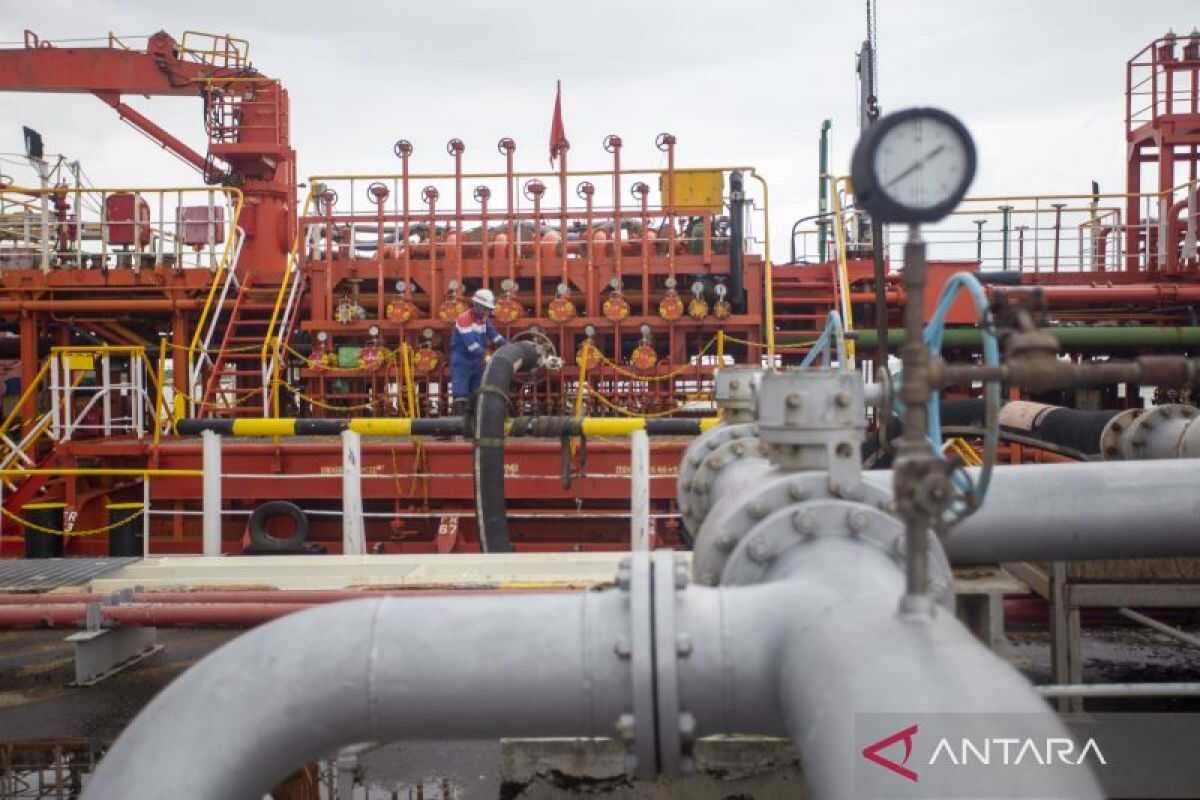
Jakarta – Economist and Executive Director of CORE Indonesia Mohammad Faisal has stated that Israeli strikes against Iran that triggered major explosions on Saturday (28 February) could trigger a surge in global oil prices.
Speaking to ANTARA in Jakarta on Sunday, Faisal explained that current oil prices are around 70 US dollars per barrel. However, should the conflict continue, prices could rise to 80 US dollars per barrel.
Furthermore, should oil supply through the Strait of Hormuz be disrupted, prices could breach 100 US dollars per barrel.
The Strait of Hormuz is the route for approximately 20 per cent of global oil trade. Distribution disruptions in this region have the potential to drive up world crude oil prices significantly.
“If it reaches 100 dollars per barrel, that enters the high zone, a record level. In recent years we have not experienced such high increases, last occurring during the early stages of the Russia-Ukraine war,” he stated.
Faisal believes the armed conflict between Iran and Israel has the potential to expand into a regional conflict with involvement from the United States. Support from China and countries backing Iran could also prolong the escalation.
“There is a possibility this war will last longer than anticipated,” he said.
Faisal added that the surge in global oil prices will have a direct impact on fuel price adjustments domestically. Non-subsidised fuel is certain to rise in line with international market prices.
However, he noted that what is more concerning is the potential adjustment to subsidised fuel prices such as Pertalite and Solar, which are used by lower and middle-income populations.
“This price increase will certainly have the potential to affect inflation and reduce purchasing power across society generally,” Faisal said.
The United States and Israel on Saturday launched a series of strikes against several targets in Iran, including the capital Tehran, causing severe damage and civilian casualties.
In retaliation, Iran launched missile strikes against Israeli territory and American military facilities in the Middle East.
Iranian state media reported that Supreme Leader Ayatollah Ali Khamenei was killed in the combined Israeli and American strikes.
The Islamic Revolutionary Guard Corps (IRGC) announced on Saturday the beginning of “the most brutal offensive operation in the history of Iranian armed forces” following confirmation of Khamenei’s death.