
CORE: Government Needs to Improve Targeted Fuel Subsidy Policy
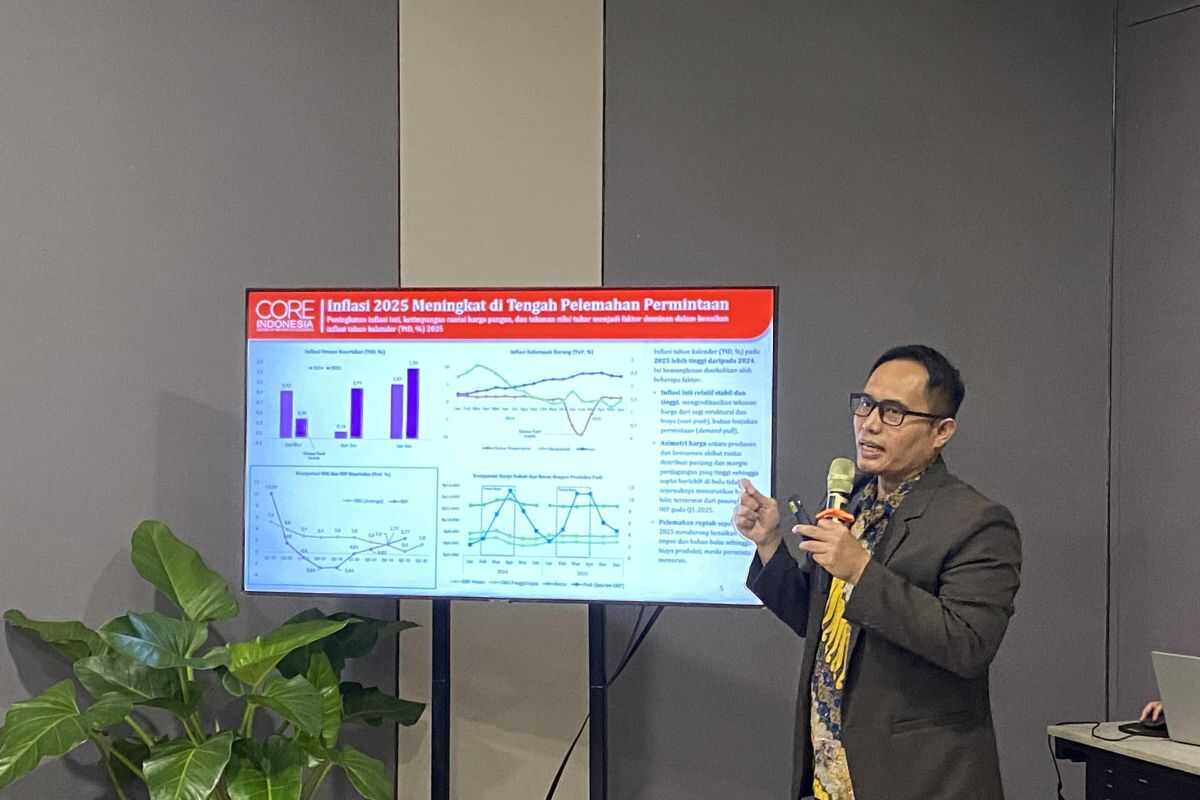
Jakarta (ANTARA) - Mohammad Faisal, Executive Director of the Centre for Reform on Economics (CORE), says the government needs to improve the targeted use of subsidised fuel in order to safeguard the State Budget (APBN) from deficit risks due to rising world oil prices as a result of the conflict in the Middle East. ‘If it relates to preventing a deficit, the first thing to anticipate is if oil prices rise, thus the energy subsidy needs in the APBN also rise,’ Faisal said in a Jakarta press contact on Wednesday. Faisal emphasised the need for a policy to restrict the use of subsidised fuel to certain vehicle groups. ‘Subsidies are not price-increased, but their usage is restricted. In this way, the burden of fuel subsidies does not need to rise significantly,’ he said. In addition to subsidy efficiency, Faisal said the government should accelerate its energy diversification strategy through biofuels. Faisal explained that the government is currently in the process of reducing fuel imports by increasing the biodiesel content in domestic fuel. This step is deemed important to curb dependence on imports. He referred to a statement by Energy and Mineral Resources Minister (ESDM) Bahlil Lahadalia that targets ending imports of diesel by April 2026. According to Faisal, if domestic diesel content is blended with biofuel, import needs can be reduced. If this effort is successful for diesel, a similar approach could also be applied to petrol. He stressed that the process requires serious and accelerated efforts because the biofuel component still needs to be enhanced in the coming months. Furthermore, he added that the government should consider reallocating and refocusing budgets from priority programmes that absorb substantial funds. ‘Some of the budget could be reduced to anticipate global impacts that could raise the APBN deficit,’ he said.