
Coordinating Ministry for Human Development and Culture to Coordinate Cross-Sector Efforts on Nicotine Restriction Policy
The Coordinating Ministry for Human Development and Culture (Kemenko PMK) has reaffirmed its commitment to incorporate all stakeholder input in formulating regulations on limiting tar and nicotine levels in tobacco products. Beyond health considerations, the potential economic and social impacts are also critical factors. This approach aims to ensure that cross-sectoral policy regulations are balanced and do not disadvantage any party.
Sukadiono, Deputy for Health Quality Improvement Coordination at Kemenko PMK, stated the ministry is actively conducting hearings with academics, worker associations, and farmer representatives. He emphasised that this process is not merely administrative formality but that each submission will serve as evidentiary basis for policy consideration.
Using an Arabic linguistic example, Sukadiono explained the difference between hearing passively and listening intently. “We strive to listen truly and consider input seriously as a basis for policy development,” he said during the Public Test of the Study on Determining Maximum Limits for Nicotine and Tar, held recently in Jakarta.
The current phase remains an initial process, with findings to be refined through inter-ministerial coordination meetings at Eselon I level through ministerial-level meetings. Final decisions will be made through plenary session in accordance with applicable regulations.
Coordinating Minister Pratikno explained that the public hearing is a direct mandate from legislation, specifically Coordinating Minister Regulation (Permenko) PMK Number 2 of 2025. Under Government Regulation Number 28 of 2024, Article 431 paragraph 6, determination of maximum nicotine and tar limits is coordinated by the ministry responsible for human development and culture.
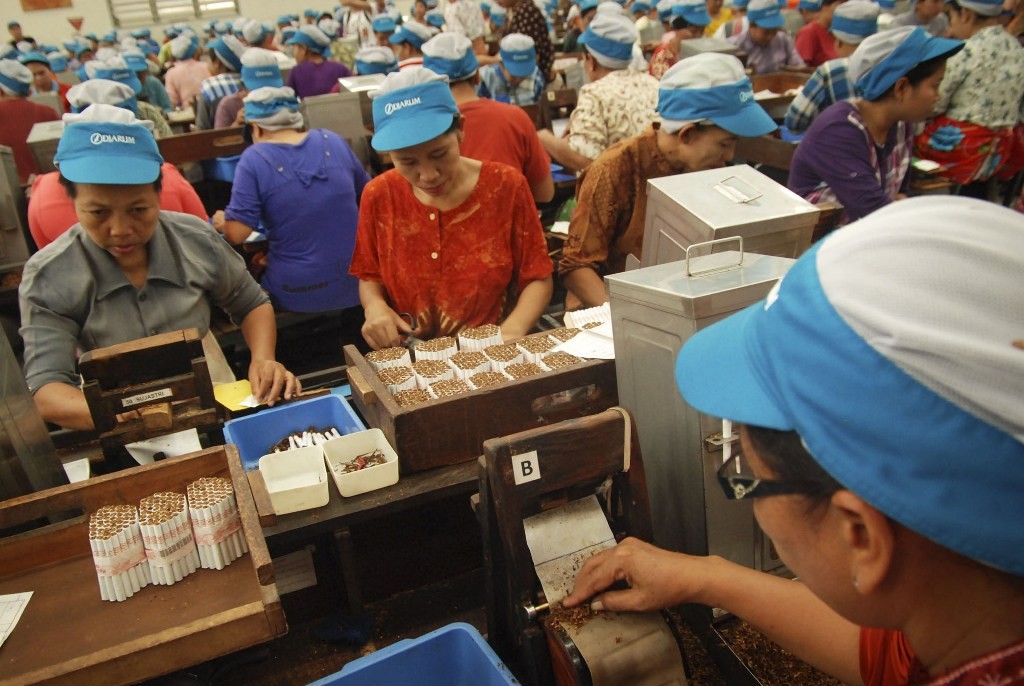
Pratikno acknowledged the diverse perspectives present, ranging from tobacco farmer concerns to health advocates’ worries. He noted his own emotional connection to the tobacco sector, having grown up in a rural environment dependent on tobacco cultivation. The tobacco industry significantly absorbs large numbers of workers and contributes substantially to state revenue, requiring policies that bridge various interests.
“This forum will produce the best outcomes with empathy and tolerance for all participants,” Pratikno stated firmly.
According to regulations, maximum nicotine and tar limits must be finalised before 31 July 2025, one year after Government Regulation Number 28 of 2024 was issued. All relevant ministries, including the Ministry of Industry and the Ministry of Finance, will continue intensive involvement in ministerial-level coordination meetings to reach fair agreements for farmers, industry players, traders, workers, and health advocates across Indonesia.
Tobacco farmer associations attended the hearing and expressed concerns about the proposed restrictions, particularly regarding reduced domestic tobacco absorption. Various industry players have urged Finance Minister Purbaya Yudhi Sadewa to implement a special, more affordable excise tax rate for tobacco products.
The tobacco industry represents a complex sector with substantial contributions to state revenue, employment absorption, and SME development. Local government authorities, including Pamekasan Regency, have convened coordination meetings with regional stakeholders and local tobacco industry players to discuss excise policy implications.
The government confirmed that 2025 tobacco excise tax rates will not increase, though retail price adjustments for certain tobacco products have been made. Finance Minister Purbaya Yudhi Sadewa stated his ministry will proceed cautiously in formulating excise tax policy, emphasising the importance of meaningful public participation in regulatory development processes.
Concerns also persist regarding flavoured cigarette permits, including fruit-flavoured variants, vapes, and pods, which are reported to have increased alternative tobacco product sales among children and adolescents.