
Coordinating Minister for Food Pushes for Strengthening Waste Management Regulations
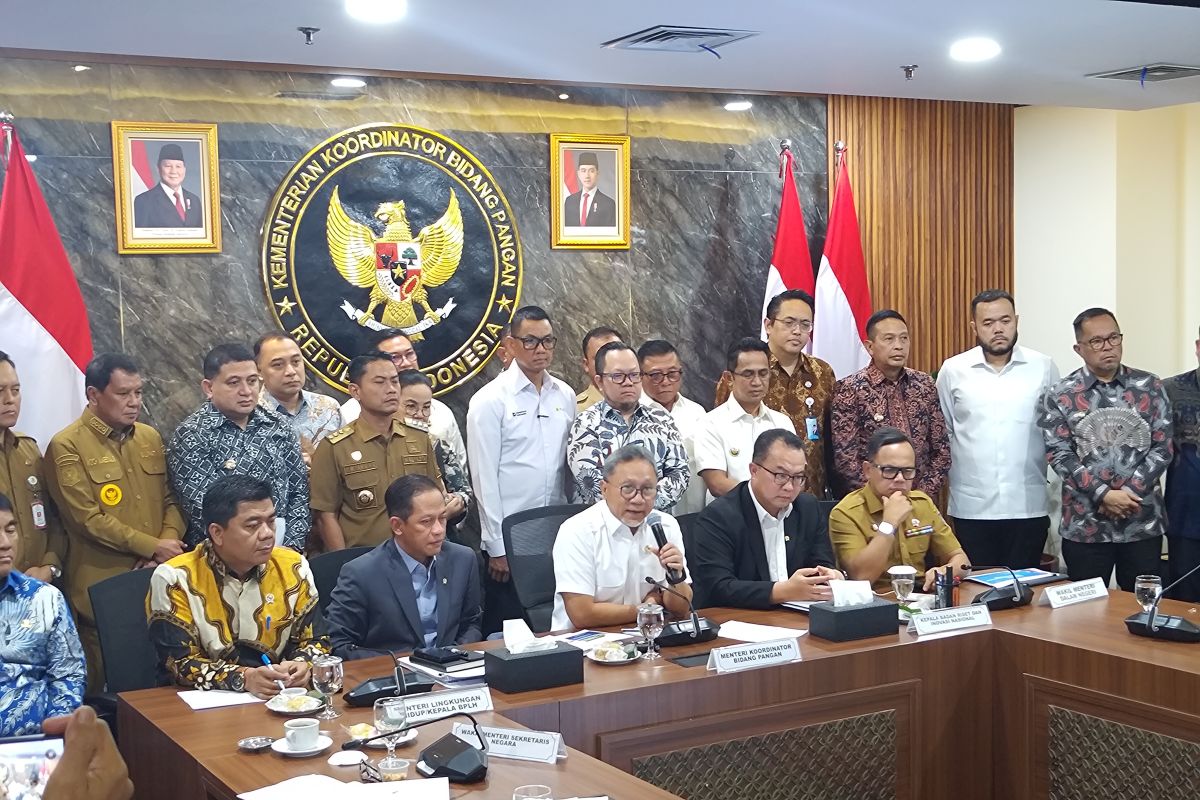
Jakarta (ANTARA) - Coordinating Minister for Food Zulkifli Hasan (Zulhas) is pushing for strengthened implementation of waste management regulations to support the acceleration of national waste handling. He stated that such strengthening is necessary so that all parties can actively participate in sustainable waste management. “There must be (strengthening of) punishments, there must be penalties, only then will people comply with the rules,” said Zulhas after a limited coordination meeting in Jakarta on Tuesday. This statement comes amid attention to national waste management, following the landslide incident at the Integrated Waste Processing Site (TPST) in Bantargebang, Bekasi, which resulted in fatalities. Waste management is grounded in legal foundations through Law No. 18 of 2008 on Waste Management, which regulates obligations, prohibitions, and sanctions for violators. The law emphasises integrated waste management from upstream to downstream, involving government, society, and the business world. He explained that the government, through the Ministry of Environment, will take firmer steps in enforcing waste management regulations. According to him, these powers include administrative actions up to criminal enforcement against violators. “The Minister of Environment has the authority, can seal, can prosecute criminally. There must be (strengthening of) punishments and penalties,” he said. Zulhas stated that waste management is a collective responsibility between government, society, and business actors. “Waste responsibility is not only on the government, but we all are responsible,” he said. He added that the government is also pushing for accelerated waste handling in various sectors, especially outside households. According to him, sectors such as industry, offices, markets, schools, hospitals, and restaurants are the focus for strengthening waste management. He said the government targets handling waste in these sectors to be completed in about four years. “In four years we will complete it, besides household (waste). Household (waste) indeed needs more time to change culture,” he said. In addition to strengthening regulations, Zulhas continued, the government also has various waste processing technologies ready to be implemented according to regional needs. These technologies include waste-to-energy processing, alternative fuel (refuse-derived fuel/RDF), and composting. Strengthening waste management is also part of the government’s efforts to reduce the economic burden due to waste accumulation and improve the efficiency of resource utilisation. In the meeting, the government is also accelerating the construction of waste-to-electricity energy facilities (PSEL), which in the initial phase covers 30 projects in 61 districts/cities with a processing capacity of around 14.4 million tonnes per year or equivalent to 22.5% of the total national waste accumulation.