
Coordinating Minister AHY: Pantura giant sea wall project is still being refined
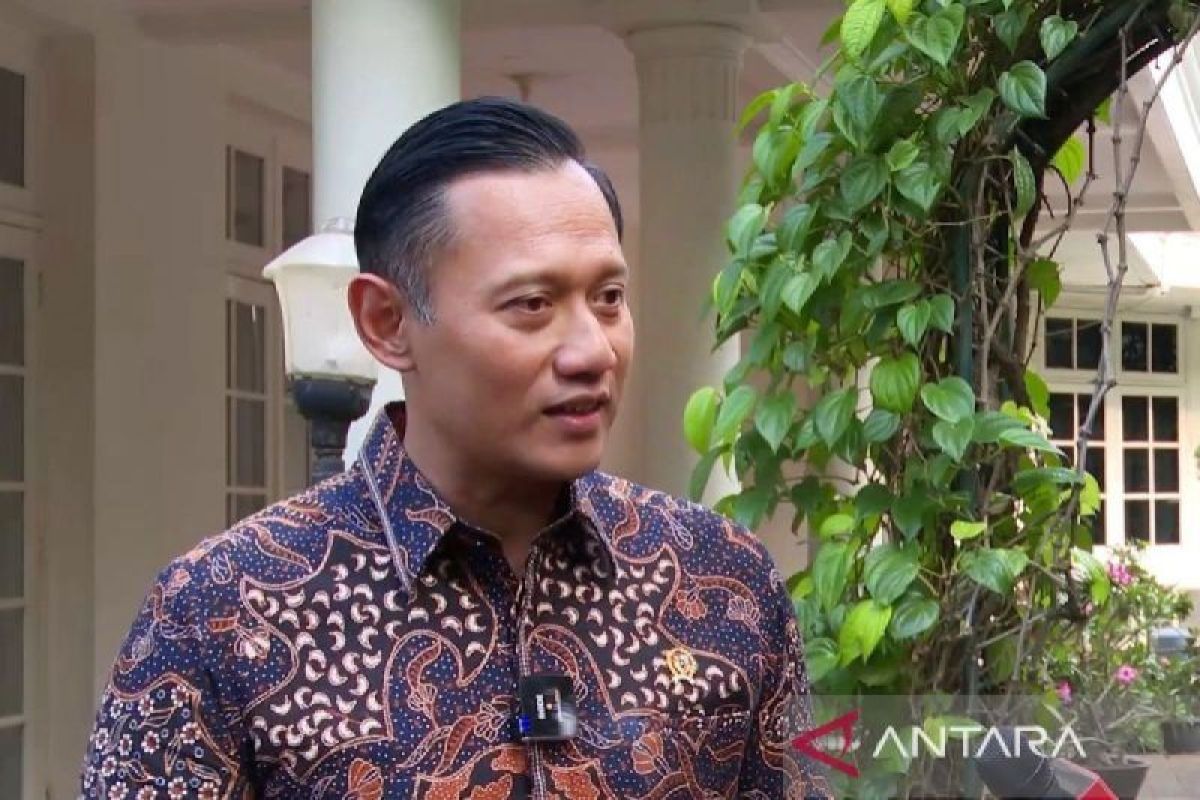
Jakarta (ANTARA) - Coordinating Minister for Infrastructure and Regional Development Agus Harimurti Yudhoyono (AHY) said the government is continuing to refine the giant sea wall project as an effort to protect the northern Java coast (Pantura) from environmental threats.
AHY said the project involves many parties because it covers a wide area, namely five provinces, 20 regencies, and five cities along Pantura.
“This is not a project that involves just one or two parties. There are five provinces, 20 regencies, and five cities involved, especially in the Pantura area,” AHY said after attending the Ikatan Alumni SMA Taruna Nusantara (Ikastara) event in Jakarta on Saturday.
“We are pursuing it continuously; hopefully next year (2027) it can be more mature,” he added.
The giant sea wall project forms part of the government’s long-term plan to combat tidal flooding, land subsidence, and rising sea levels that threaten coastal areas, particularly along the North Coast of Java Island.
The idea of building the sea wall has long been discussed and is now being re-emphasised amid rising climate change risks and pressures on the densely populated coastal area with significant economic activity.
AHY noted that around 50 million people live in the area, so comprehensive protective measures against a range of environmental threats are required.
Threats include rising sea levels and land subsidence that worsen the risk of tidal floods in several areas, such as Jakarta Bay, Semarang, Demak, and Kendal.
According to AHY, land subsidence in several areas even reaches 5 to 20 centimetres per year, requiring intervention through infrastructure development.
To address the conditions, AHY said the government is considering building coastal or sea dykes in the affected areas, combined with nature-based solutions, such as planting mangroves to dampen waves.
Besides protecting coastal communities, AHY stated that the project also aims to safeguard strategic industrial areas, special economic zones, and food production hubs that are beginning to be affected by saltwater intrusion.
He added that the giant sea wall project requires substantial funding, so the government is inviting involvement from private sector actors and businesses, both domestic and international.
He said the project is important not only as a disaster mitigation measure but also as a long-term investment to safeguard national economic sustainability.
The giant sea wall is planned to stretch about 500 kilometres from Banten to Gresik in East Java.
The project’s investment value is estimated at around 80 billion US dollars, with the initial development phase in Jakarta Bay projected to cost about 8 to 10 billion US dollars.