
Cooperative Literacy to Strengthen Functions in the Economic Chain
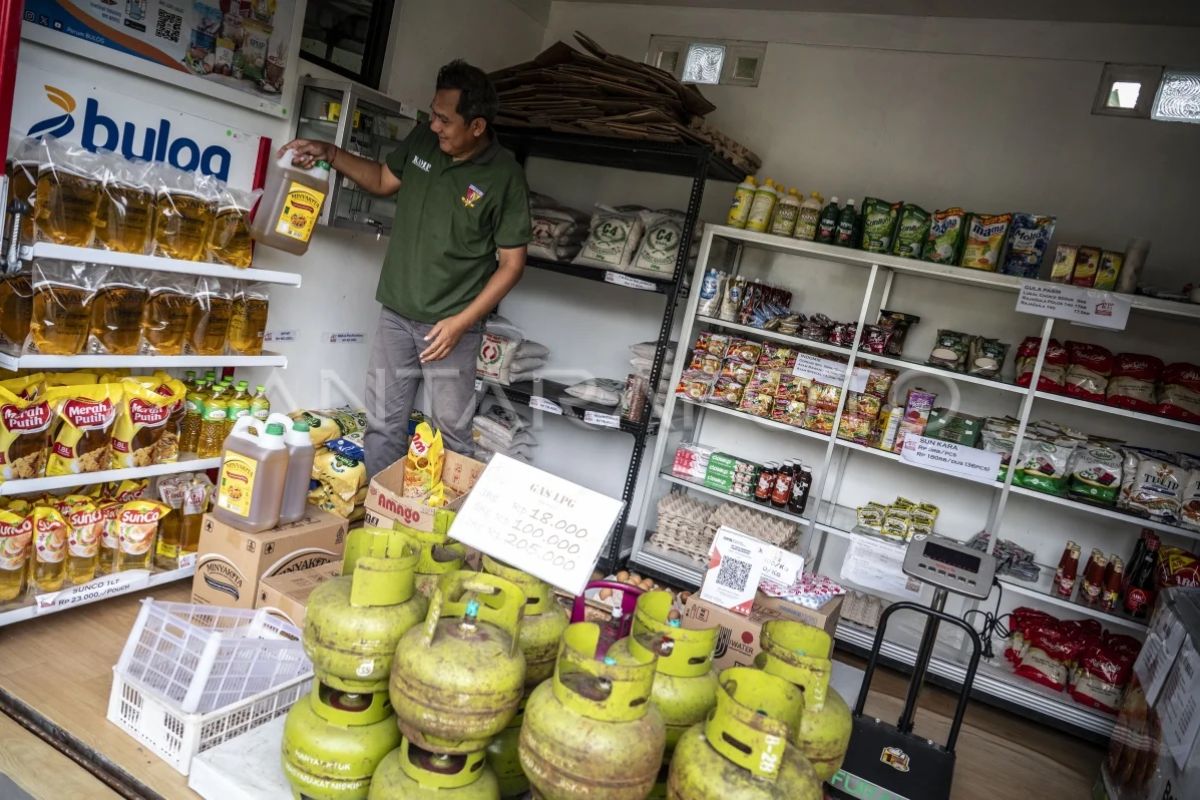
Jakarta (ANTARA) - The turbulent global economy in recent times has prompted cooperatives to rediscover their relevance as a humane middle path. Cooperatives are not merely business entities but gathering spaces born from the real needs of communities to survive, develop, and maintain dignity. History records that during the Industrial Revolution in Europe in the 18th and 19th centuries, which gave rise to a highly capitalistic economic system with low wages and soaring prices, ordinary people responded in a simple yet revolutionary way: by working together. In 1844, a pivotal milestone occurred when a group of workers in Rochdale, England, established the Rochdale Society of Equitable Pioneers. From a small shop managed democratically, they built the foundation of modern cooperatives based on principles of honesty, affordable prices, and fair profit sharing among members. Often overlooked is one key factor in their success: education or literacy. They did not just trade but also educated and strengthened literacy. Part of the profits was even set aside to ensure members understood basic literacy, economics, finance, as well as ethical values and social awareness. Thus, cooperatives found their most fundamental strength. Cooperatives do not stop at economic transactions but extend further as instruments of social transformation. The education provided is not merely technical skills but awareness of their position in an often unfair economic system, along with the conviction that change can begin through togetherness. The Rochdale Cooperative even provided a library and discussion forums, proving that knowledge is the foundation of independence. Looking at Indonesia today, the same spirit has grown in various regions. The North Bandung Central Milk Cooperative, the Keling Kumang credit cooperative in Sintang, and the Agro Niaga Jabung cooperative in Malang show that cooperatives can succeed if built on the right foundation. The pattern is not much different from Rochdale. It all starts with one simple thing: real problems. Solution-oriented cooperatives are not born from ambition but from needs. When consumers struggle to get affordable prices, when farmers lack fair market access, or when small traders are trapped by limited capital, that is where cooperatives find their calling. The process begins with honest problem identification, followed by group discussions, needs surveys, and mapping priority solutions. The next stage is no less crucial: forming an initiator group with integrity and commitment. Cooperatives are not a space for those who merely tag along. Cooperatives require trusted individuals with managerial abilities, financial understanding, and readiness to work for the common good. Without a strong human foundation, cooperatives would be mere structures without soul.