
COO Danantara: Centralisation of Natural Resource Exports Will Not Harm Businesses
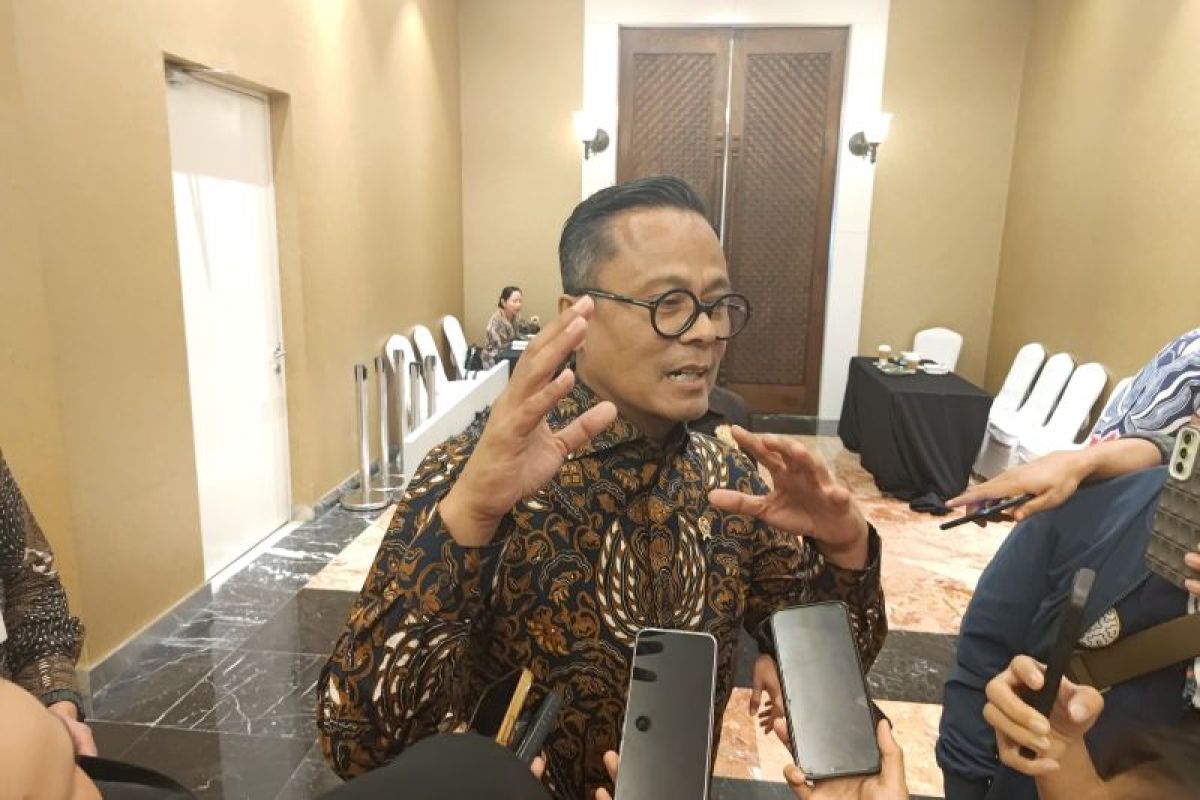
The centralisation of natural resource exports is not intended to harm businesses. JAKARTA (ANTARA) – Chief Operating Officer (COO) of Badan Pengelola Investasi Daya Anagata Nusantara (Danantara), Dony Oskaria, stated that the centralisation of natural resource exports through PT Danantara Sumber Daya Indonesia (DSI) is not intended to harm businesses. He said the policy aims to ensure fair export prices and commodity volumes to prevent under-invoicing and transfer pricing practices. ‘The centralisation of export commodity sales is not intended to harm businesses,’ Dony said in Jakarta on Monday. According to him, businesses operating normally will not face significant changes as they can still export commodities through the established mechanism. ‘Previously, they sold at price X overseas; now they sell to us at the same price X. Our role is to verify that the price is correct as the government representing the Indonesian people,’ he said. He added that fair pricing is crucial as it affects tax revenues and state income, which ultimately benefits the public. Dony said the government will monitor fair pricing and export volumes until December before full centralisation is implemented. He explained the move is necessary due to concerns over under-invoicing and transfer pricing in natural resource exports. ‘Under-invoicing reduces state revenue, and transfer pricing is another issue,’ he said. President Prabowo Subianto, in his opening speech for the 2027 National Budget’s Macro-Economic Framework and Fiscal Policy Outline (KEM-PPKF) at the House of Representatives on 20 May 2026, stated that under-invoicing in natural resource exports over 34 years had potentially cost the state around $90.8 billion or Rp15.4 trillion. Dony explained the policy stems from the view that Indonesia’s natural wealth must maximise benefits for public prosperity. However, he also stressed that implementation must be monitored to ensure it aligns with the original objectives. He added that DSI’s ownership structure comprises 99% BPI Danantara and 1% Badan Pengatur Badan Usaha Milik Negara (BP BUMN), with Series A Dwiwarna shares retaining special powers as per standard BUMN regulations. Regarding DSI’s readiness, he stated the company must be operationally prepared, including logistics and administration. ‘Of course it has to be ready; how could it not be? Don’t be pessimistic,’ Dony said. Previously, the government announced the formation of DSI to oversee and manage exports of strategic natural resource commodities such as crude palm oil (CPO), coal, and ferroalloys. In the initial phase, exporters are required to report export transaction volumes, values, and prices to DSI from June to December 2026 before full centralisation is implemented.