
Converting Industrial Waste Heat into Electricity and Biochar
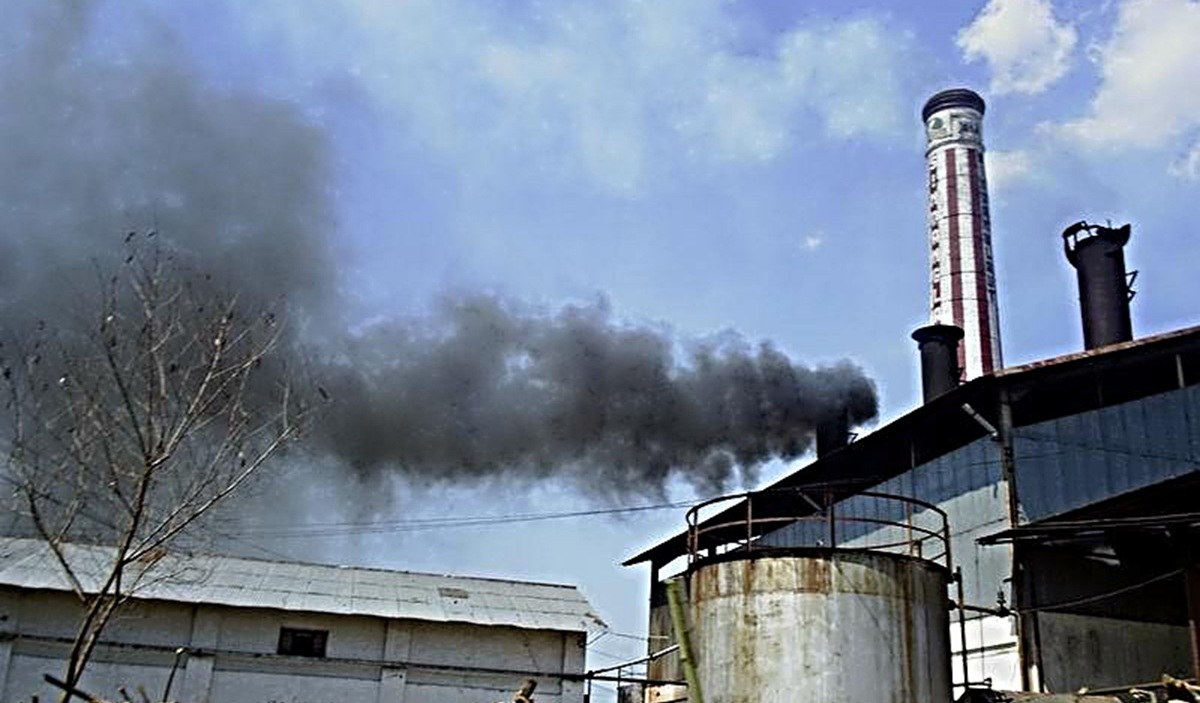
Rising energy demands and pressure to reduce emissions mean that waste heat from industrial processes is frequently discarded. However, this heat can be reprocessed into an energy source and value-added products.
Prof Edy Hartulistiyoso, Professor at the Faculty of Engineering and Technology at IPB University, has introduced the combined heat, power and product (CHPP) concept as a solution for industrial energy efficiency. This concept allows heat to be utilised to generate electricity whilst simultaneously producing value-added products such as biochar and bio-oil.
“Heat that has been wasted so far can actually be reused to generate electricity and other value-added products,” said Edy in a statement on Sunday (24 May).
According to Edy, Indonesia’s current thermal energy needs are still dominated by coal and natural gas, whilst the potential for renewable energy is very substantial.
“Energy discussions are not only related to electricity, but also thermal systems used in various processing processes for agricultural and fisheries products, such as heating, drying, and cooling,” he said.
Under the national energy policy, the energy sector is directed towards 51% renewable energy utilisation and 37% energy efficiency. However, solar energy utilisation in Indonesia is still considered minimal despite abundant potential.
“In addition to CHPP, the utilisation of organic rankine cycle (ORC) technology to process low-temperature heat sources so that it can be reused as energy,” said Edy.
On the other hand, Indonesia has substantial potential from agro-maritime resources such as biomass, solar energy, geothermal, wind, and marine energy that can be developed into sustainable energy.
Biomass, for example, can be processed through direct combustion, biogas, bioethanol, and pyrolysis which produces value-added biochar and bio-oil.
He explained that IPB University has developed various thermal energy innovations, one of which is greenhouse effect-type solar drying technology (ERK) since the 1980s to assist agricultural drying processes without relying on fossil fuels.
Solar energy is also utilised for fisheries product cooling systems through photovoltaic (PV)-based electricity that drives a vapour compression cooling system, helping fishermen maintain the quality of their catch for longer.
Energy and climate change issues themselves are global concerns, with fossil fuel combustion remaining the main source of carbon dioxide (CO₂) emissions that trigger the greenhouse effect and global temperature increases.
Through the development of technologies such as CHPP, Prof Edy encourages more efficient energy utilisation, not only to reduce emissions, but also to create new economic value from energy that has been wasted.