
Converting harvest waste to electricity in Rejang Lebong vegetable production centre
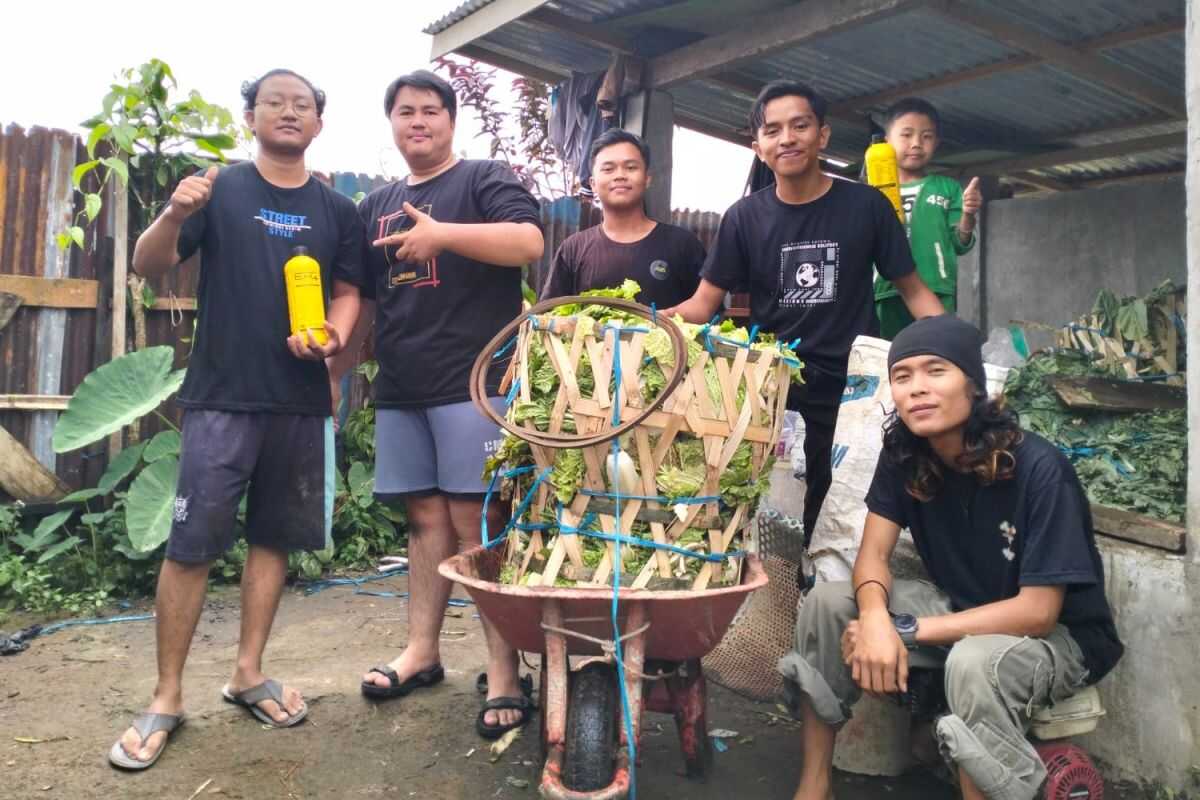
Changes in household habits will be crucial in determining the success of comprehensive waste management.
Bengkulu (ANTARA) – Rejang Lebong Regency in Bengkulu Province is known for its cool climate and fertile hilly landscape in the Bukit Barisan area. This makes it a major vegetable-producing region in Southern Sumatra.
The topography of Rejang Lebong is dominated by highlands, valleys, and rivers connected to several important river basins.
The temperature there is relatively cooler than in coastal areas, making it suitable for developing horticultural cultivation, such as tomatoes, cabbage, chilies, and various leafy vegetables, including coffee and tea plantations.
From these agricultural lands at the foot of the hills, vegetable supplies are distributed to various regions, not only to meet the needs of the market in Bengkulu Province but also reaching parts of South Sumatra and Jambi Provinces. Rejang Lebong is also known as a regional horticultural production centre that supports inter-provincial supply.
However, behind this productivity, farmers are not immune to fluctuating and unpredictable prices. When the harvest season arrives and production is abundant, prices at the farm level can potentially plummet, making them no longer comparable to planting and distribution costs.
This happened in 2021 and 2022. At that time, the situation gave rise to a new problem in the form of a large increase in vegetable waste. Piles of rotten tomatoes even temporarily blocked a section of road in the area after farmers dumped them due to falling prices; some were also dumped in open areas near the cliffs in the region.
Raw material for energy