
Controversy Over Trump Gold Coin Intensifies Ahead of US 250th Anniversary Celebration
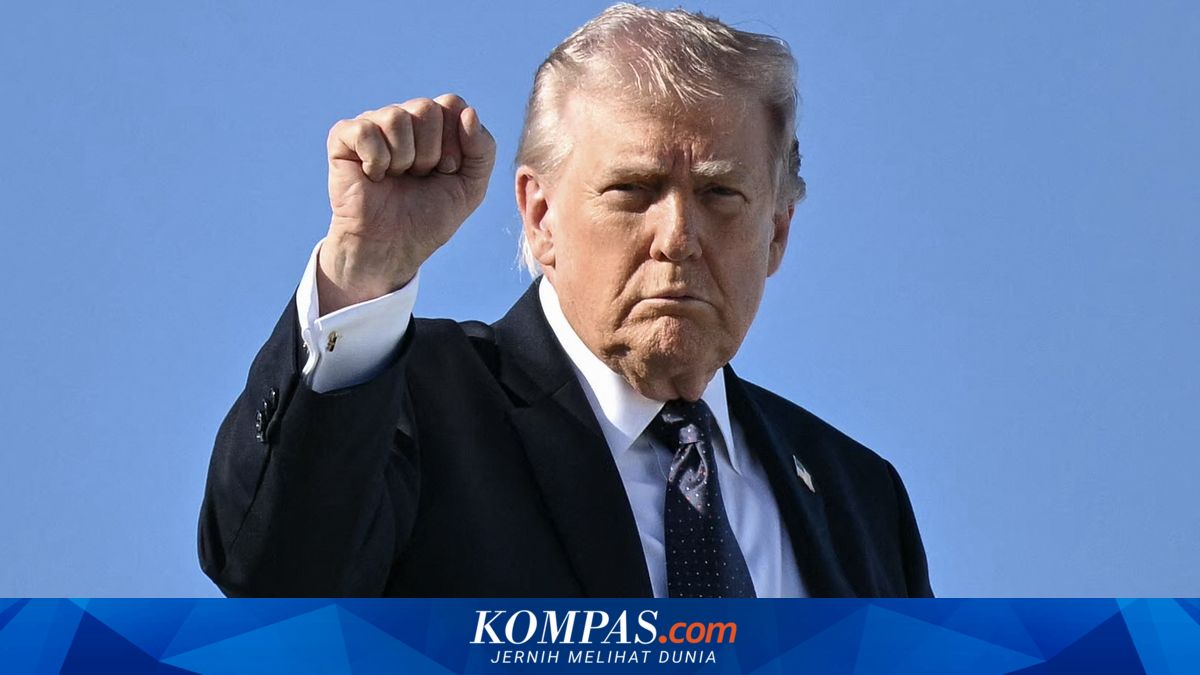
An unusual decision in the history of US currency has reignited debate. The US federal arts commission has approved the design of a 24-karat gold commemorative coin featuring the face of US President Donald Trump, as part of the celebrations for the 250th anniversary of the nation’s independence on 4 July 2026. This policy highlights the intersection of political symbolism, monetary regulation, and the long tradition of currency design in the US. Quoted from Anadolu Agency on Saturday (21/3/2026), the commemorative coin is designed to show Trump with both fists clenched on a table, a pose taken from a portrait displayed in the National Portrait Gallery. The US Commission of Fine Arts panel unanimously approved the design following a presentation by the US Mint. The approval is part of the commemorative coin programme to mark the 250th anniversary of US independence. The panel also encouraged making the coin as large as possible, even up to a diameter of about three inches. However, the issuance of this coin is enabled through the authority of the US Secretary of the Treasury, who has discretion to mint collector’s gold coins or proof coins. Quoted from Reuters, in modern US history, only one president is known to have appeared on a coin while still alive, namely Calvin Coolidge on the 1926 commemorative coin marking the 150th anniversary of US independence. Therefore, the appearance of a sitting president’s face on a collector’s coin reopens discussions about the boundaries of tradition and regulation. A US senator even stated that placing the face of a current leader on a coin resembles monarchical or authoritarian regime practices more than modern democracy. Although there is a prohibition on featuring living presidents on circulating currency, the Trump administration is assessed to have found a legal loophole by using the category of collector’s commemorative coins. According to a Reuters report, the gold coin is estimated to still be printable despite rejection from another panel, the Citizens Coinage Advisory Committee, which questioned its legality and precedent.