
Controversy over Officials' Children Receiving LPDP Scholarships Sparks Call for Stricter Selection
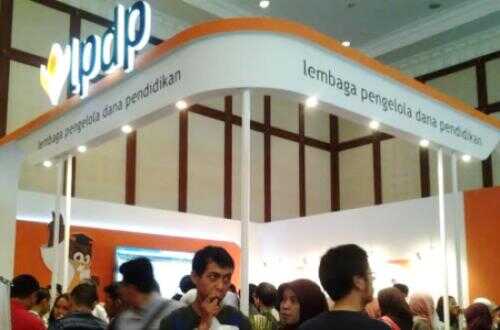
JAKARTA – The Teachers and Education Association (P2G) has raised concerns about the LPDP (Indonesian Endowment Fund for Education) scholarship programme awarding scholarships to economically affluent individuals. P2G is calling on the government to evaluate the LPDP selection process for scholarship recipients and increase affirmative action quota allocations.
The statement was made by P2G Advisory Board member Anggi Afriansyah in response to the case of Arya Iwantoro and his wife Dwi Sasetyaningtyas, whose children became the subject of viral controversy regarding their citizenship status. Both Arya and Dwi are LPDP scholarship recipients from official families.
“The most important thing is how government funds are allocated to those facing genuine financial constraints,” Anggi told Republika on Sunday (1 March 2026).
The LPDP scholarship programme operates through several mechanisms including regular admission, targeted pathways, and affirmative action channels. Officials’ children and prominent figures may apply through the regular pathway provided they meet the established requirements.
“Those who enter the regular pathway – I’m not certain of the data – but we can see these are people with genuine privilege. There are examples of officials’ children, and also public figures such as entertainers and others who could actually afford to study abroad independently,” Anggi stated.
According to Anggi, the problem lies in the fact that the regular LPDP pathway is open to all applicants. As long as they meet LPDP’s requirements, they can receive the scholarship.
“So in terms of criteria, ultimately there are cases where individuals with adequate economic capital are able to secure LPDP scholarships. This does tend to create a bias when discussing the issue,” Anggi explained.
In fact, LPDP provides affirmative action quotas for students with physical or mental disabilities, indigenous Papuans, students from eastern Indonesian regions, and Islamic boarding school graduates. There is also a targeted pathway for military (TNI), police (Polri), civil servants (PNS), or state-owned enterprise employees (ASN BUMN). Anggi is urging that these affirmative action and targeted pathway quotas be expanded.
“In my view, it would be better if these targeted quotas were increased. This way we could develop a new generation of Indonesians with academic excellence even if they come from disadvantaged groups,” Anggi concluded.