
Construction and Property Bosses Take Note! Cement Prices Have Already Started to Rise by This Much
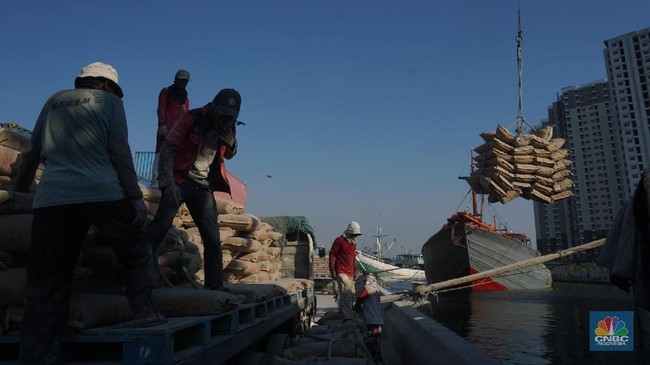
A surge in energy costs is beginning to impact Indonesia’s national cement industry directly. This pressure stems not only from fuel costs but also extends to the entire production and distribution chain.
Christian Kartawijaya, Chairman of the Supervisory Board of the All-Indonesia Cement Companies Association (Asperssi), revealed that the current situation is forcing industry players to make adjustments, including to product selling prices.
Operational cost increases are occurring alongside the rise in industrial fuel prices, which underpin various production activities from mining to distribution.
“So indeed, at the moment, several factories in this cement companies association are experiencing a shortage of coal. Why? Because the RKAB has only just been issued,” he said after the Halal Bihalal event on Tuesday (14/4/2026).
The impact of this situation extends to various cost lines. Operational activities are becoming more expensive because almost all heavy equipment and logistics processes rely on industrial fuel.
“Industrial fuel prices have risen sharply, and this is what is causing mining costs to increase. Then our heavy equipment like dump trucks and wheel loaders all use industrial fuel,” Christian stated.
Not only within the factories, cost pressures are also occurring in the logistics sector. Increases in ship and barge fuel prices are causing distribution costs to soar significantly.
This situation requires companies to recalculate their operational strategies to remain viable amid rising cost pressures.
“Bunker fuel, shipping, and barging costs are up. So the barges and ships we use to transport cement and coal are facing quite substantial increases.”
The accumulation of these various cost increases is ultimately pushing for price adjustments in the market, particularly for distributions outside Java, which have higher logistics costs.
“Yes, so at the moment, like it or not, we’ve already started to raise prices. We’ve started raising them because all the costs have gone up a lot,” he said.
Price adjustments are being carried out gradually, taking into account market purchasing power, even as cost pressures continue to mount.
The industry also faces additional pressure from the rupiah’s exchange rate against the US dollar, which affects production cost components.
“So for us at Indocement, it’s up by around 1,500 to 2,000 per 50kg bag,” said Christian, who is also President Director of Indocement.