
Constitutional Court Rules That Chronic Illness Can Be Classified as Disability Following Assessment
Indonesia’s Constitutional Court (MK) has partially granted a petition filed by two citizens requesting that persons with chronic illnesses be classified as persons with disabilities. The court’s decision modified the interpretation of Article 4(1)(a) of Law No. 8/2016 on Persons with Disabilities.
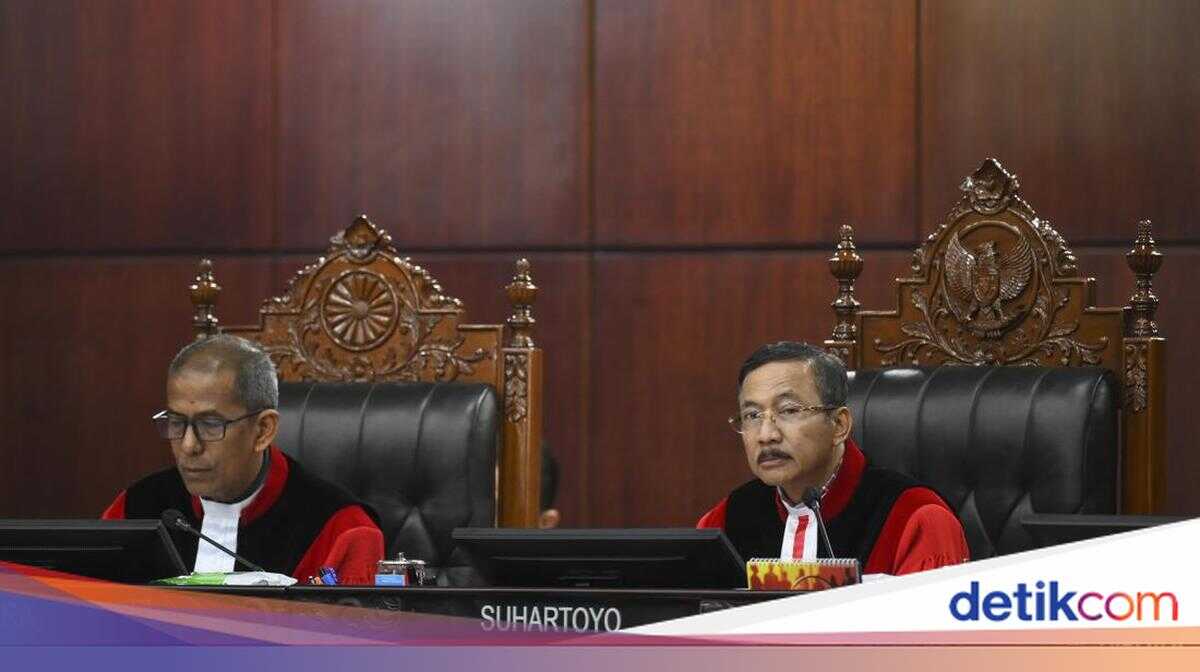
The court delivered its ruling in case number 130/PUU-XXIII/2025, filed by Raissa Fatikha and Deanda Dewindaru, on Monday, 2 March 2026. Chief Justice Suhartoyo announced the court’s decision, stating: “We grant the petitioners’ request in part; we declare that the explanation of Article 4(1)(a) of Law No. 8/2016 on Persons with Disabilities is contrary to the 1945 Constitution and has no binding legal force conditionally.”
The court’s operative provisions state that the explanation of Article 4(1)(a) is unconstitutional and non-binding insofar as it is not interpreted to mean: “Persons with physical disabilities are those with impaired mobility functions, including amputation, paralysis, paraplegia, cerebral palsy, stroke-related conditions, leprosy-related conditions, and dwarfism, as well as persons with or suffering from other chronic diseases after assessment by medical professionals selected voluntarily by the person with or suffering from chronic disease.”
The Constitutional Court found that chronic diseases have broad impacts on bodily function, including mobility impairment, prolonged pain, extreme fatigue, concentration difficulties, and internal organ damage that ultimately affects a person’s ability to perform daily activities. Although not always visibly apparent, chronic illnesses can cause substantial limitations.
“Although they do not always produce directly visible physical signs, they frequently cause energy limitations, joint dysfunction, mild cognitive impairment, and the need for continuous medical care that demonstrably restricts the social participation and productivity of sufferers,” the court stated.
The court emphasised that persons with chronic illnesses require legal protection to ensure equal opportunity in social and economic life. The judges determined that recognition of various chronic diseases as disabilities is essential to prevent individuals with functional limitations from losing access to legal protections simply because their conditions are not visually apparent, despite their efforts to live independently. Such individuals continue to face barriers in the workplace, education systems, and public services that are not yet fully adapted to their circumstances.
The court noted that establishing disability classification for chronic illness sufferers requires assessment by medical professionals. This assessment must be conducted fairly to prevent misuse of disability status that could create injustice for those genuinely requiring state protection and support. The court emphasised that the disability status determination process should not create negative public perceptions of persons with disabilities, ensuring the assessment mechanism serves to protect the rights of the affected individuals.