
Conflict Expands to Iran's Strait of Hormuz: Three Vessels Attacked, One Sinks
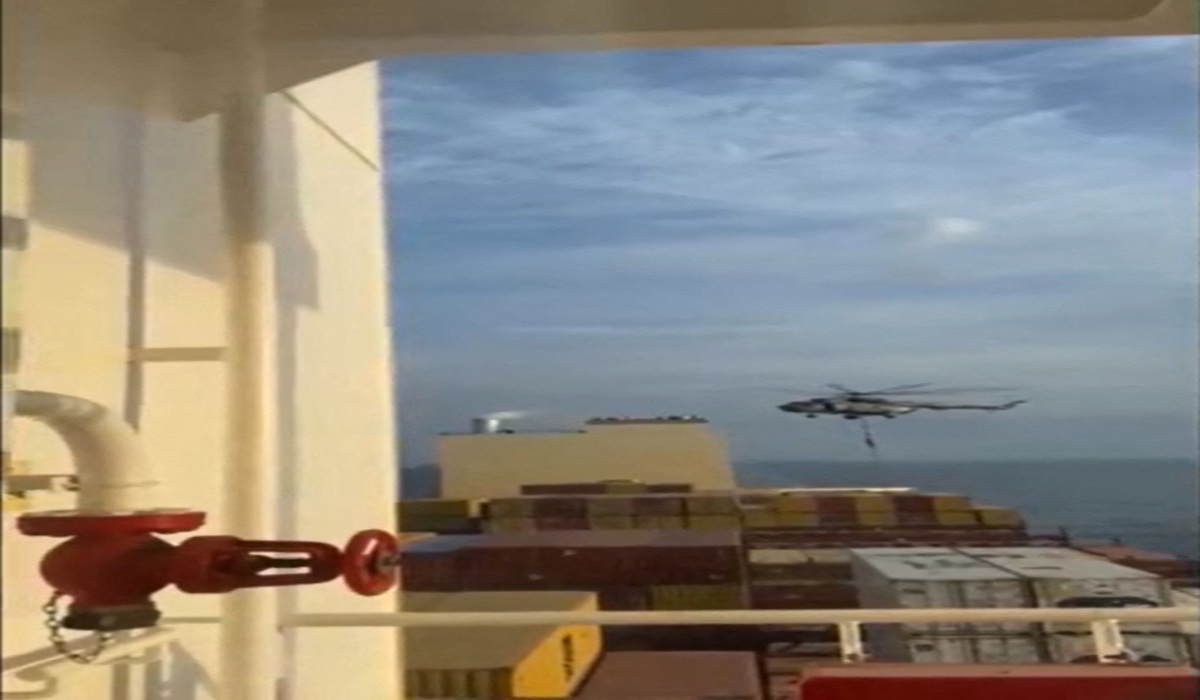
Brutal and devastating attacks from Israel and the United States against Iran on Saturday, 28 February, sent shockwaves across the globe.
Three vessels became targets of attacks in the Strait of Hormuz on Sunday, 1 March, amid escalating conflict between Iran and the United States and Israel. British maritime security authorities, the UK Maritime Trade Operations (UKMTO), confirmed that all crew members survived despite several vessels sustaining damage and fires.
The UK Maritime Trade Operations stated that all crew members were safe and in good condition. “One vessel, off the coast of Oman, was struck by an unidentified projectile above the waterline. Although its engine room was initially reported to be on fire, the flames have now been reported as brought under control,” said UKMTO according to AFP on Monday, 2 March.
UKMTO also reported another incident affecting a different vessel. “Another ship was also struck by a projectile which triggered a fire. The fire has been extinguished and the vessel intends to continue its voyage,” the authority stated.
Private maritime security company Vanguard Tech identified the second affected vessel as a tanker positioned approximately 17 nautical miles north-west of Mina Saqr, United Arab Emirates.
Additionally, UKMTO reported that another projectile exploded in close proximity to a different vessel, approximately 35 nautical miles west of Sharjah, United Arab Emirates.
Meanwhile, Iranian state television reported that an oil tanker sank after being attacked whilst transiting the Strait of Hormuz. “The fate of the oil tanker that was attacked while attempting to illegally pass through the Strait of Hormuz is that the vessel has now sunk,” the state broadcaster reported without providing additional details. Footage broadcast showed thick black smoke billowing from the burning vessel.
The Strait of Hormuz has long been recognised as a strategically critical global energy trade corridor. Approximately one quarter of the world’s oil supply and one fifth of global liquefied natural gas trade pass through these narrow waters daily.
One day prior, Iran’s Revolutionary Guards announced the closure of shipping lanes in the region and warned that the area had become dangerous following military strikes by the United States and Israel.
This situation increasingly amplifies concerns regarding the stability of security and the smooth distribution of global energy. The escalating conflict in the Middle East has begun to have significant impacts on international air connectivity in Bali, with potential consequences for hajj and umrah pilgrimages. The escalation raises substantial risks to Indonesia’s bilateral trade flows through the strait, given the country’s significant export and import volumes transiting these waters.