
Condom Prices Set to Surge Due to US-Israel War with Iran
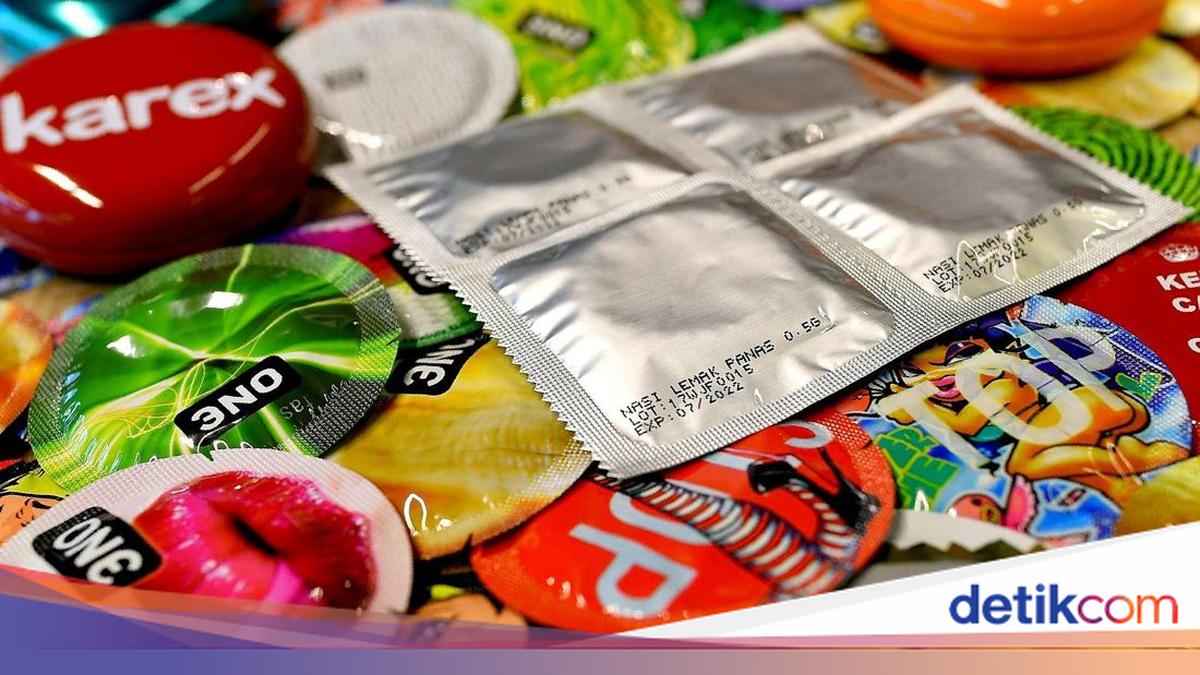
The executive director of Karex, the world’s largest condom producer, has stated that it will raise prices by up to 30% or more if the US-Israel war with Iran continues to disrupt supplies of raw materials for its products.
Karex Executive Director Goh Miah Kiat told several media outlets that production costs have risen sharply since the conflict began.
The Malaysia-based company produces more than five billion condoms per year and supplies leading global brands such as Durex and Trojan to various locations, including the UK’s National Health Service (NHS).
Goh’s comments were made in interviews with Reuters and Bloomberg.
The BBC has contacted the company for comment.
Global oil supplies have been severely disrupted since Iran responded to US and Israeli airstrikes with threats to target ships in the Strait of Hormuz.
This move has effectively closed that waterway, causing major disruptions to the global supply chain.
Around one-fifth of the world’s crude oil and liquefied natural gas (LNG), along with various other petrochemical products, typically passes through the strait.
Karex, the world’s largest condom producer, relies on oil-derived materials, including ammonia used to maintain latex quality and silicone-based lubricants.
“In tough times, the need to use condoms actually increases because the future feels uncertain—whether one will still have a job next year,” said Goh Miah Kiat.
Condom demand has risen by around 30% this year, while higher shipping costs and distribution delays are worsening supply shortages, according to Karex Chief Executive Goh Miah Kiat.
“In tough times, the need to use condoms actually increases because the future feels uncertain—whether one will still have a job next year,” Goh Miah Kiat told Bloomberg.
“If you have a baby now, that means one more mouth to feed,” he added.
The surge in condom prices highlights how the US-Israel war with Iran, which has already shaken global energy markets, is also pushing up prices for other consumer goods.
The war has also triggered rises in airfares, with the cheapest economy tickets on average 24% more expensive than last year, according to recent research.
Meanwhile, shipping disruptions through the Gulf have caused fertiliser prices to rise and helium shortages, which is used in computer chip manufacturing.
The bottled water industry is also under pressure as producers struggle to obtain raw materials.
Earlier this month, the United Nations (UN) warned that sugar, dairy products, and fruit prices would rise due to increasingly high transportation costs.
The status of peace talks between the US and Iran remains unclear as of Wednesday, after US President Donald Trump said he would extend the ceasefire between the two countries until negotiations show progress.