
Conditions from Italy, Germany, and France Before Moving in the Strait of Hormuz
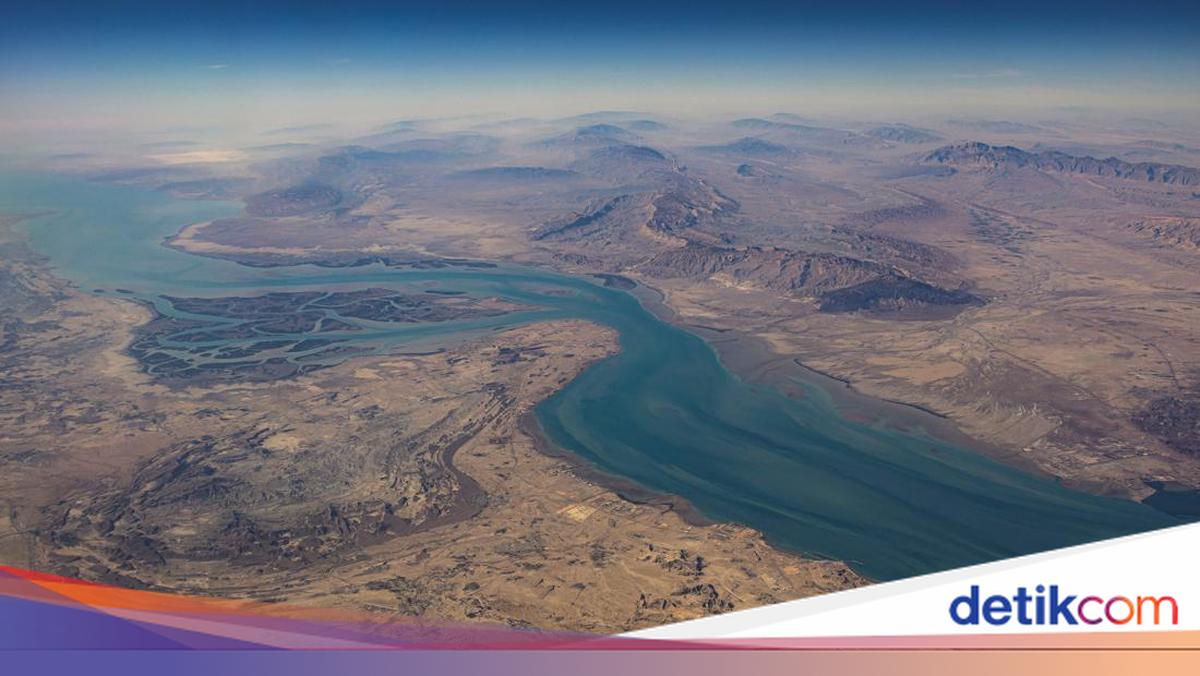
European countries are not yet willing to move to the Strait of Hormuz, despite repeated requests for assistance from the United States (US). Now, Italy, Germany, and even France are setting conditions that must be met.
According to detikcom records on Friday (20/3/2026), US President Donald Trump had already spoken about assistance from European countries in the Strait of Hormuz on Monday (16/3). However, the following day, on Tuesday (17/3), European countries unanimously denied involvement in assistance in the Strait of Hormuz.
French President Emmanuel Macron at that time emphasised that France would not participate in operations to open the strait in the current context, but once the situation becomes “calmer,” France could participate in a “convoy system” with other countries. The UK also rejected Washington’s request for assistance.
Trump’s Anger
Hearing the responses from European countries, particularly those part of NATO, Donald Trump became furious. Trump said that most US allies have rejected his efforts to escort ships through this important sea route, and French President Emmanuel Macron stated that his country “would never” do so until the situation calms down.
“I think NATO is making a very stupid mistake,” Trump told reporters as he hosted Irish Prime Minister Micheal Martin in the Oval Office at the White House.
“I’ve long said that I wonder if NATO will ever be there for us. So this is a big test.”
However, Trump insisted that Washington is ready to act alone against Iran, stating that even NATO allies have agreed that the Islamic republic needs to be confronted regarding its nuclear programme.
“We don’t need too much help. We don’t need any help,” Trump said.
France Calls for Attack Moratorium
French President Macron spoke again in response to Donald Trump. He called for a moratorium on attacks against civilian infrastructure.
“I just spoke with the Emir of Qatar and President Trump following the attacks that hit gas production sites in Iran and Qatar today,” wrote President Emmanuel Macron on X, as reported by AFP, on Thursday (19/3/2026).
“For the common interest, a moratorium on attacks targeting civilian infrastructure, particularly energy and water infrastructure, must be implemented immediately,” he added.
Italy, Germany, and France Set Ceasefire Conditions
Then, six major international powers stated that they are ready to contribute to ensuring safe passage through the Strait of Hormuz amid the Middle East conflict. However, three of them emphasised that any initiative would take place after a ceasefire.
As reported by AFP on Friday (20/3/2026), the UK, France, Germany, Italy, Japan, and the Netherlands said on Thursday (19/3) that they are ready “to contribute to appropriate efforts to ensure safe passage through the Strait of Hormuz”.
The group said they “welcome the commitments of countries involved in planning preparations,” and they strongly condemned “the recent attacks by Iran on unarmed commercial ships in the Gulf”.
However, Italy, Germany, and France then clarified on Thursday (19/3) that they were not talking about direct military assistance, but rather potential multilateral initiatives after a ceasefire.
This declaration comes as Iran’s effective blockade of the strait has paralysed commercial shipping through this vital maritime point, which in peacetime is passed by one-fifth of global crude oil and liquefied natural gas.