
Concerns Raised that Parliamentary Threshold Discussions Will Further Close Opportunities for New Political Parties
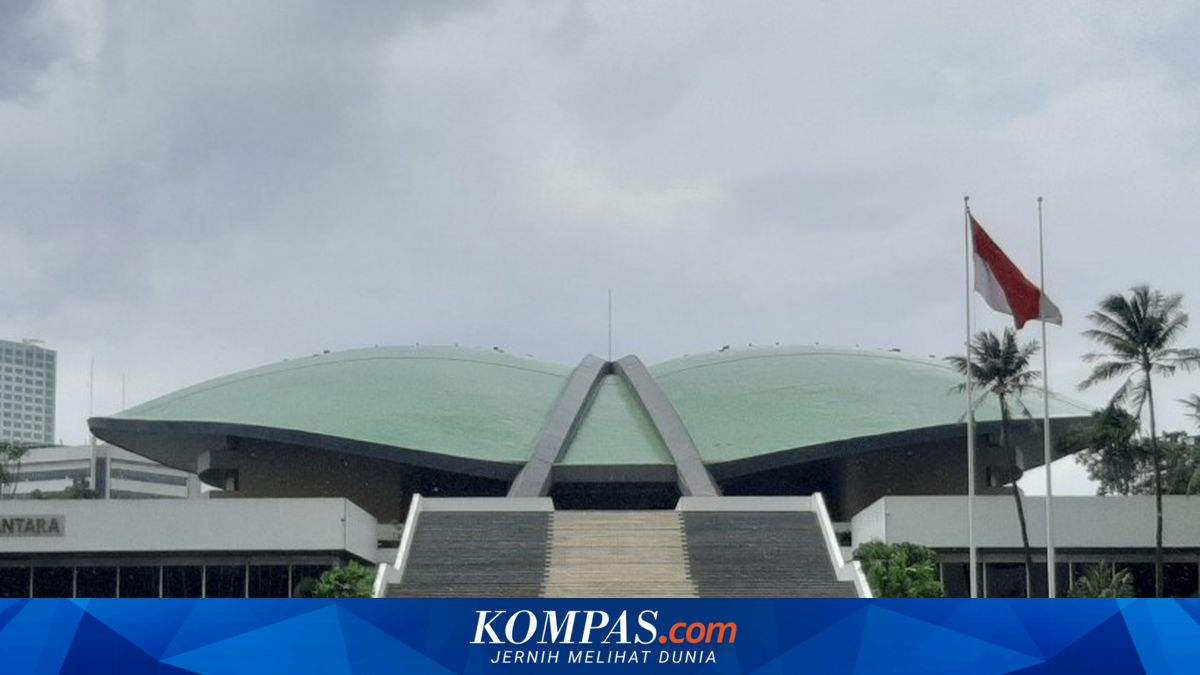
JAKARTA, KOMPAS.com - Debates regarding the parliamentary threshold are feared to result in even greater closure of opportunities for new political parties to breach the gates of parliament. These concerns are intensifying with the emergence of proposals to apply the threshold at the regional level. The National Awakening Party (PKB), for one, proposes that the parliamentary threshold be applied uniformly from the national to the regional level. Meanwhile, the Indonesian Democratic Party of Struggle (PDI-P) supports a tiered application of the parliamentary threshold from the central to the regional level. The Nasdem Party proposes an even higher threshold of 7 per cent. Similarly, the Golkar Party views an ideal threshold in the range of 6-4 per cent. Although still merely proposals, does the parliamentary threshold truly make the system more closed to new parties? Senior Researcher from the Network for Democracy and Electoral Integrity (Netgrit), Hadar Nafis Gumay, assesses that raising the parliamentary threshold has the potential to narrow the space for political competition, particularly for new parties attempting to enter parliament. He believes that in practice, the parliamentary threshold is often seen as a “filter” that is not entirely neutral. It tends to benefit established large parties while making it difficult for new political forces to grow. “The parliamentary threshold makes the system not open. Those who can (enter parliament) end up being the big ones, especially (with proposals to raise the threshold),” said Hadar when contacted by Kompas.com on Tuesday (5/5/2026). He provides a real example when the United Development Party (PPP) was ousted from parliament in the 2024 Legislative Election (Pileg) for failing to meet the threshold, after previously comfortably holding seats as representatives. The experience of the Indonesian Solidarity Party (PSI) in the 2024 General Election also shows that the party failed to advance to Senayan, despite obtaining quite significant votes. Yet, in democratic principles, every vote should have an equal opportunity to be converted into political representation. “This eliminates those inside; PPP was already gone yesterday,” he said. The parliamentary threshold should open space for new political parties.