
Concerns Over Asset Value and Costs Mean Affordable EVs Are Not Yet a Priority for Daihatsu
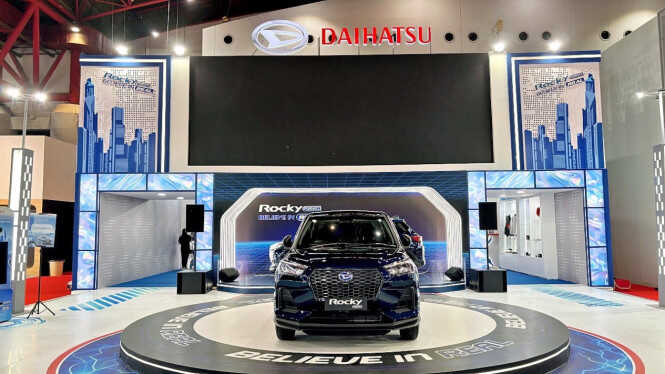
Jakarta, VIVA — PT Astra Daihatsu Motor (ADM) has not placed affordable electric cars on its near-term agenda. The manufacturer, well known for its strength in the entry-level segment, considers market readiness — particularly outside major cities — to be the principal challenge.
ADM’s Director of Marketing and Corporate Communications, Sri Agung Handayani, said that electric vehicle adoption in Indonesia will take time, owing to the diverse conditions of consumers spread across regions with differing characteristics.
“Electrification needs time in Indonesia,” Sri Agung said recently in Jakarta.
According to her, there are three main concerns that frequently arise among consumers, especially first-time car buyers. The first relates to long-term asset value. Consumers still question whether electric cars can last and whether they might become a burden in the future.
The second concern involves operating costs, particularly electricity consumption. For many people in regional areas, household electricity expenditure remains an important consideration. “They worry that electricity consumption will be more expensive or become a burden,” Sri Agung said.
The third factor is maintenance. The cost of servicing and maintaining electric vehicles is considered not yet fully understood by the wider public. These concerns mean that electric car adoption remains uneven, particularly in non-urban areas.
ADM claims to have conducted various surveys to map consumer needs across Indonesia. The results indicate that readiness for electrification is not uniform. “Our market spans all regions of Indonesia, so we must assess their readiness,” she said.
Sri Agung added that Daihatsu’s current strategy remains focused on products suited to the needs of the majority of consumers, particularly in the entry-level and light commercial vehicle segments. These segments are seen as still requiring affordable and easily maintained mobility solutions.
Nevertheless, Sri Agung did not rule out the possibility of introducing electric cars in the future. However, the decision will depend heavily on ecosystem readiness, including charging infrastructure, after-sales service, and the level of public acceptance.
“It is our collective task to determine whether first-time car buyers will quickly move towards electrification or not,” she said.