
Computers Not Selling, Threatened with No One Wanting to Buy Laptops
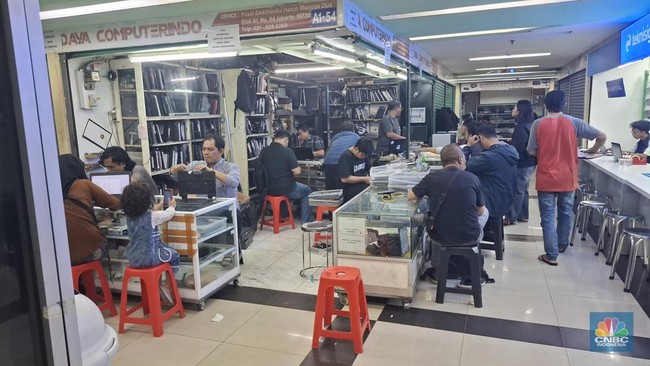
The explosion of artificial intelligence (AI) is beginning to impact the global computer market. Motherboard sales are plummeting amid an unprecedented shortage of components.
This phenomenon is triggered by the worsening global chip shortage due to high demand for AI infrastructure. Semiconductor manufacturers such as Nvidia, Intel, and AMD are now focusing more on producing AI chips rather than chips for consumer computers.
As a result, prices for key components like RAM, SSDs, and processors have surged over the past six months. Consumers with limited budgets are opting to keep their old devices and delay PC upgrades.
The impact is starting to be felt in the global motherboard industry. According to a Digitimes report, the world’s four largest motherboard manufacturers are collectively slashing their sales targets for this year.
Asus, for example, is estimated to sell only around 10 million motherboards in 2026, a 33% drop from the previous year’s 15 million units.
Meanwhile, Gigabyte has revised its sales target to 9 million units from the previous 11.5 million units. MSI has cut its projection to 8.4 million units from 11 million units last year.
ASRock is facing the most severe conditions. The company is predicted to experience a 37% decline in shipments, from 4.3 million units to just 2.7 million units throughout this year.
Citing TomsHardware on Sunday (10/5/2026), overall, the global motherboard market is estimated to shrink by up to 28% in 2026.
In addition to the high cost of components, the PC market is also losing momentum due to a lack of new product innovation. AMD is still sticking with the AM5 platform, while Intel’s latest Nova Lake processors will only be released at the end of this year.
On the other hand, Nvidia has not yet launched the RTX 50 Super series, while rumours suggest the RTX 60 series will only arrive in 2028. This situation makes many users feel there is no need to replace their devices now.
Nevertheless, motherboard manufacturers have not been entirely hit. Some companies like Asus, Gigabyte, and ASRock are starting to shift their business to AI servers to capture opportunities from the construction of massive data centres by global hyperscale companies.
For consumers, this situation is dilemmatic. PC component prices continue to rise due to the AI frenzy, but on the other hand, retailers are beginning to offer discounts on motherboards to clear piled-up stock.