
Comprehensive Guide to Cultivating Puring: Aesthetic Leaf Patterns and Rarely Known Herbal Benefits
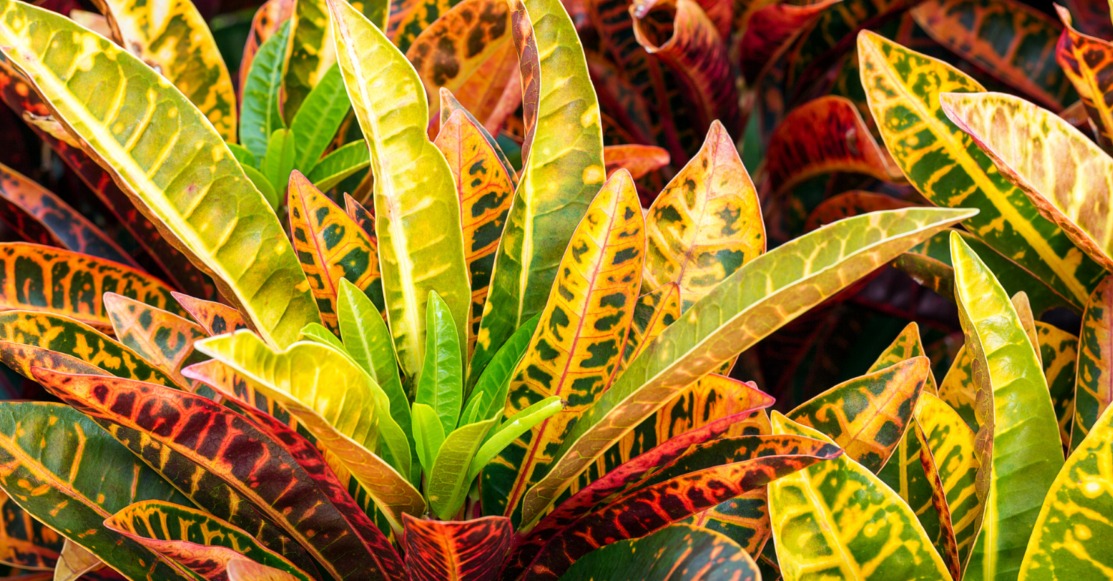
Once considered a plant associated with cemeteries or mere house fencing, by 2026, Puring (Codiaeum variegatum) has transformed into one of the premier ornamental plants. Its vibrant leaf gradients of red, yellow, orange, and deep purple make it a ‘living painting’ in room corners and gardens.
However, Puring’s appeal extends beyond aesthetics. Recent health research reveals it harbours a wealth of herbal benefits, making it increasingly sought after by health-conscious individuals.
The plant’s uniqueness lies in its diverse leaf shapes—ribbon-like, spiral, oval, and even human finger-like forms. Additionally, Puring is known for its resilience against urban air pollution; its ability to degrade pollutants like lead makes it essential for homes in major cities.
Based on market monitoring across Indonesian marketplaces in May 2026, the following Puring varieties are most sought after by collectors:
Not just a visual treat, Puring contains secondary metabolites such as flavonoids, alkaloids, and saponins. Here are some health benefits:
Many Puring owners complain about leaves fading to plain green. Here are the care secrets:
- Is Puring toxic?
Yes, it contains sap that can cause skin irritation. Keep out of reach of children and pets.
- How often should Puring be watered?
Water 1-2 times daily depending on weather conditions.
Puring has regained popularity in 2026 due to its unique leaf patterns and believed health benefits, as well as improving indoor air quality.