
Comprehensive Explanation from Bahlil on Fuel Stocks and Prices in Indonesia
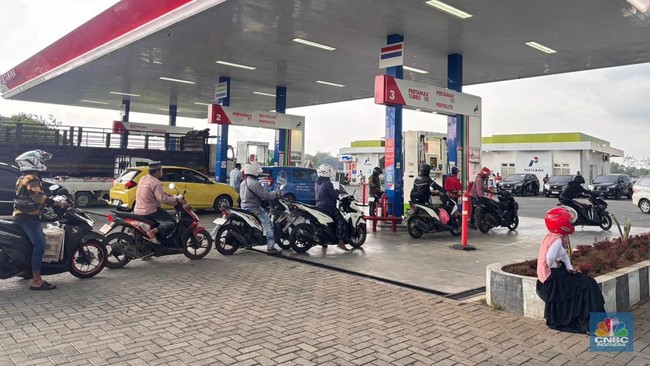
Jakarta, CNBC Indonesia - The Minister of Energy and Mineral Resources (ESDM), Bahlil Lahadalia, has detailed the current situation regarding the availability of fuel stocks and pricing policies for Petroleum Products (BBM) in Indonesia. The government has assured that national energy reserves remain well-maintained amidst global geopolitical tensions.
Bahlil emphasised that all energy reserves, from petrol, diesel, aviation turbine fuel, to Liquefied Petroleum Gas (LPG), are at safe levels and exceed the national minimum standards.
“Our BBM reserves are all above the national minimum standards. With the implementation of B50, God willing, this year we will experience a surplus in our diesel, especially once the RDMP in East Kalimantan is operational,” Bahlil stated during a press conference, quoted on Wednesday (1/4/2026).
Regarding pricing policies, Bahlil assured that the government will not adjust prices for subsidised BBM. Subsidised fuel tariffs will remain flat in line with President Prabowo Subianto’s directives to protect the purchasing power of low-income communities.
Meanwhile, for non-subsidised BBM prices, the government is currently engaged in intensive discussions with PT Pertamina (Persero) and other private fuel station operators. Bahlil noted that there has been no price change to date, and adjustments will be made based on global oil price dynamics.
“For non-subsidised BBM, up to today, we along with the Pertamina team and other private fuel stations are holding discussions. There has been no price adjustment yet; it remains the same. Give us time to resolve this properly and wisely,” he explained.
Bahlil also addressed concerns over energy supply chains due to conflicts in the Middle East region. He explained that the share of crude oil imports from the Middle East is around 20%. Currently, the government has successfully secured alternative supply sources from other countries to replace that quota.
On the other hand, the need for finished BBM products (petrol) is increasingly met domestically through the Balikpapan RDMP refinery, which produces 5.6 million kilolitres of petrol and 4.5 million kilolitres of diesel. The remaining petrol shortfall is imported from Southeast Asia, while LPG imports have been redirected to non-Middle East countries, particularly the United States.
“God willing, there should be no more doubts; we have secured replacements from the Middle East,” he asserted.
In closing his remarks, Bahlil urged the public to assist the government by consuming BBM in a reasonable and prudent manner.
He exemplified that a reasonable limit for personal vehicle fuel purchases is around 50 litres per day, with exceptions for commercial vehicles such as trucks and buses that require larger volumes.
“But once again, the 50 litres mentioned is per vehicle, and it does not apply to transport trucks, which need more, or public buses, which definitely require more than that. That’s just the standard,” he stressed.