
Complete Procedure and Prayers for Eid al-Adha Sacrifice
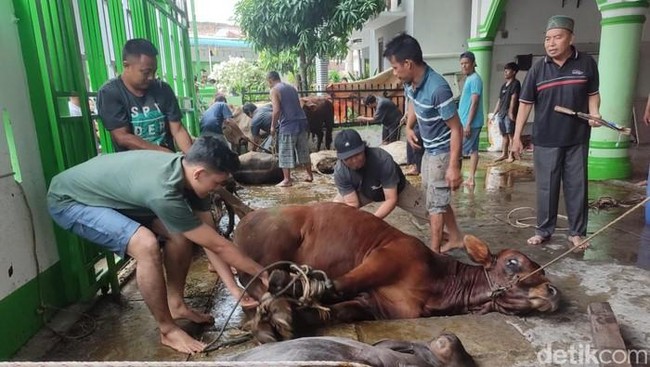
Jakarta, CNBC Indonesia - Eid al-Adha 1447 AH is expected to fall on Wednesday, 27 May 2026. Muslims are beginning to prepare for the sacrifice as an act of obedience to Allah SWT and a demonstration of concern for others. The sacrificial ritual is not merely an annual tradition during Eid al-Adha but also carries significant spiritual and social value. Through sacrifice, Muslims are taught sincerity, selflessness, and the importance of sharing blessings with those in need. The slaughter of sacrificial animals takes place after the Eid prayer on 10 Dzulhijjah and may continue during the days of Tasyrik, specifically the 11th, 12th, and 13th of Dzulhijjah. As it is a recommended sunnah practice by Prophet Muhammad SAW, the process should adhere to proper etiquette and guidelines, including reciting prayers before slaughter. Meaning and Wisdom of the Sacrificial Ritual Eid al-Adha serves as an opportunity to emulate the piety of Prophet Ibrahim and Ismail in fulfilling Allah’s command. Spiritually, sacrifice is a means of drawing closer to Allah SWT to seek His pleasure and blessings. Socially, the distribution of sacrificial meat symbolises compassion, solidarity, and unity among the community. It is no surprise that Eid al-Adha is synonymous with generosity and strengthening familial bonds. Prayers for Sacrificing Animals Before slaughtering the sacrificial animal, Muslims are advised to recite the following prayer to ensure the ritual is accepted by Allah SWT. Arabic: اَللَّهُمَّ هَذِهِ مِنْكَ وَإِلَيْكَ فَتَقَبَّلْ مِنِّيْ يَا كَرِيْمُ Latin: Allâhumma hâdzihî minka wa ilaika, fataqabbal minnî yâ karîm. Translation: ‘O Allah, this is from You and to You; accept it from me, O Most Generous.’ This prayer is documented in several scholarly works, including those by Sayid Utsman bin Yahya and Syekh Nawawi Al-Bantani. Procedure and Recitation Order During Slaughter According to NU Online, various fiqh texts outline recommended sunnah recitations before slaughter. 1. Recite Basmalah Arabic: بِسْمِ اللهِ الرَّحْمَنِ الرَّحِيْمِ Translation: ‘In the name of Allah, the Most Gracious, the Most Merciful.’ 2. Recite Salawat for the Prophet Arabic: اَللَّهُمَّ صَلِّ عَلَى سَيِّدِنَا مُحَمَّدٍ وَعَلَى آلِ سَيِّدِنَا مُحَمَّدٍ Latin: Allâhumma shalli ‘alâ sayyidinâ Muhammad wa ’alâ âli sayyidinâ Muhammad. Translation: ’O Allah, send blessings upon our Prophet Muhammad and his family.’ 3. Recite Takbir Three Times and Tahmid Arabic: اَللهُ أَكْبَرُ اَللهُ أَكْبَرُ اَللهُ أَكْبَرُ وَلِلهِ الْحَمْدُ Latin: Allâhu akbar, Allâhu akbar, Allâhu akbar, walillâhil hamd. Translation: ‘Allah is the Greatest, Allah is the Greatest, Allah is the Greatest; all praise is due to Allah.’ 4. Recite the Sacrifice Prayer Arabic: اَللَّهُمَّ هَذِهِ مِنْكَ وَإِلَيْكَ فَتَقَبَّلْ مِنِّيْ يَا كَرِيْمُ Latin: Allâhumma hâdzihî minka wa ilaika, fataqabbal minnî yâ karîm. Translation: ‘O Allah, this is from You and to You; accept it from me.’ Etiquette for Slaughtering Sacrificial Animals During Eid al-Adha In addition to reciting prayers, several etiquettes are recommended during the slaughter: - Face the animal towards the qibla - Use a sharp knife - Avoid causing distress or suffering to the animal - Slaughter swiftly and compassionately - Recite prayers with sincerity