
Complete Guide to Child Immunisation Schedule 2024: Key to Protecting Your Child from Dangerous Diseases
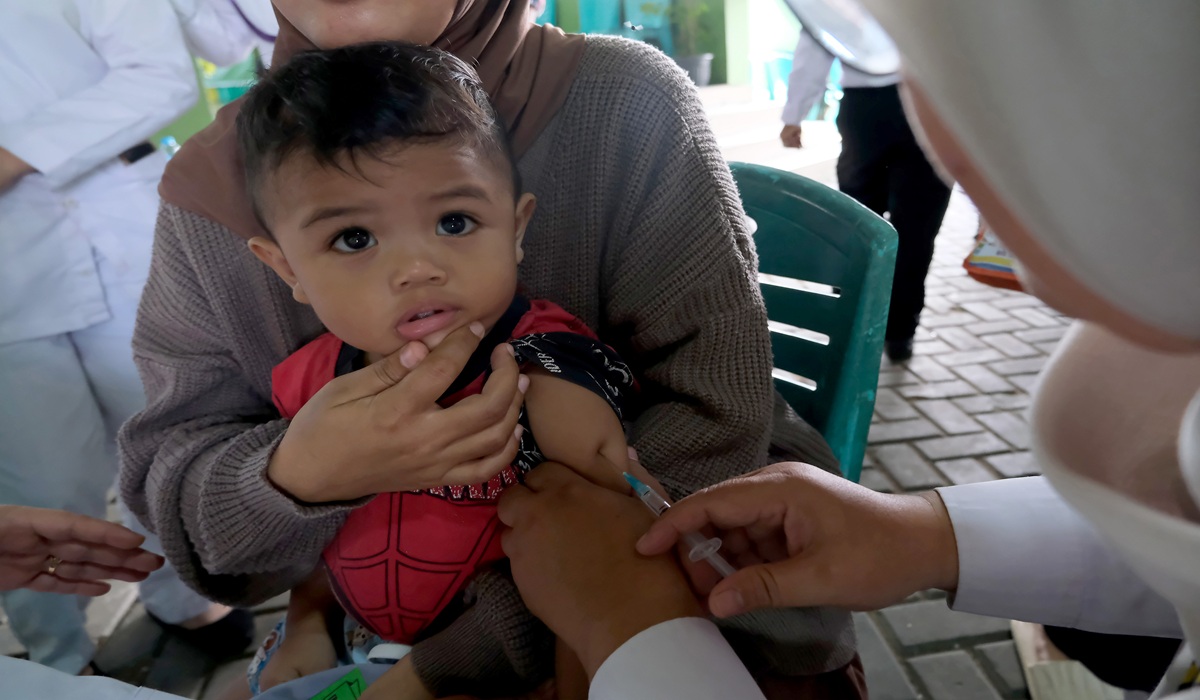
Ensuring that children receive complete immunisation according to schedule is a crucial obligation for every parent. Immunisation is not merely a routine medical procedure, but a strategic step in building a child’s immune system from an early age to ward off various dangerous diseases.
In Indonesia, the current child immunisation schedule refers to recommendations from the Ministry of Health and the latest guidelines from the Indonesian Paediatric Association (IDAI), updated in 2024.
Through this schedule, parents can monitor the types of vaccines and the appropriate timing of administration to ensure maximum health protection for their child.
The shield of child health begins immediately after birth with the administration of the Hepatitis B vaccine. This vaccine should ideally be administered before the baby reaches 24 hours of age, following the administration of vitamin K1 at least 30 minutes prior.
However, for babies with a birth weight below 2,000 grammes, administration can be delayed until one month of age, unless the mother is detected to be Hepatitis B positive.
Subsequently, babies must receive polio and BCG vaccines. The oral polio vaccine is typically administered when the baby is discharged from the healthcare facility.
Meanwhile, the BCG vaccine to prevent tuberculosis is administered before the baby reaches one month of age. If administered only after three months of age, the baby is advised to first undergo a tuberculin test.
Entering the age of two to six months, the immunisation schedule becomes more intensive with the administration of combination vaccines and initial doses for certain diseases.
At nine months of age, the child is scheduled to receive the MR (measles and rubella) vaccine and Japanese Encephalitis (JE) vaccine for those living in endemic areas.
Entering one year of age, protection is expanded with Varicella (chickenpox) and Hepatitis A vaccines.
For older children, the Typhoid vaccine is recommended starting at two years of age with repetition every three years.
Additionally, Dengue vaccine can be administered in the age range of 6 to 45 years.
As a long-term preventive measure, girls aged 9–14 years are strongly advised to receive the HPV (Human Papillomavirus) vaccine to prevent cervical cancer in the future.
Vaccines such as RSV, Hepatitis A, Hepatitis B, Dengue, and Meningococcal are administered based on certain risk factors.
The government is expanding hexavalent immunisation through strengthening the National Immunisation Programme. Immunisation has proven effective in protecting children from dangerous communicable diseases.
The use of combination vaccines aims to reduce the number of injections, saving time and the cost of healthcare facility visits.
By following the rhythm of the 2024 IDAI schedule, parents play an active role in ensuring a better quality health future for their child. Immunisation is highly beneficial in protecting and preventing children from exposure to diseases that can be prevented through immunisation.
Low immunisation coverage in several regions is considered a major trigger in increasing measles cases, leading to disease outbreaks.