
Commodity Export Recording Expected to Secure US$44 Billion
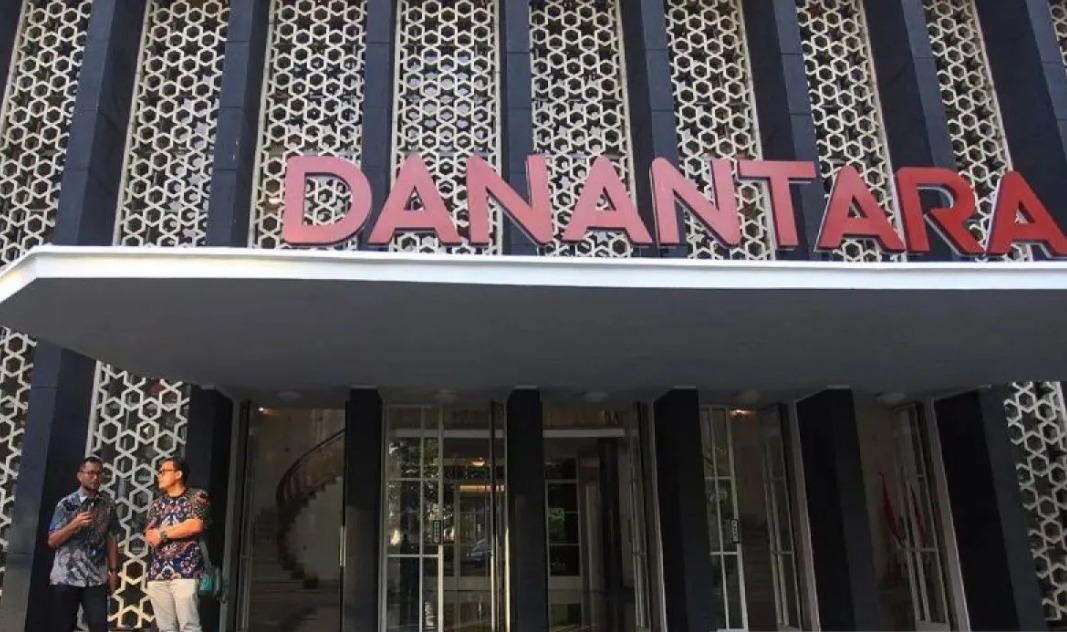
PT Danantara Sumber Daya Indonesia (DSI) will focus on regulating commodity export records to secure national foreign exchange and strengthen the rupiah’s exchange rate. This strategic move is a long-term solution to consolidate export data and recover national wealth lost due to under-invoicing and transfer pricing practices by certain parties.
Through administrative trade management reforms, the government is committed to creating transparent, accountable, and traceable commodity governance from upstream to downstream, ensuring business certainty for operators. This progressive effort aims to sustainably establish national macroeconomic stability.
Senior Advisor to the Indonesian Communication Agency Fithra Faisal explained that President Prabowo Subianto’s attention to under-invoicing practices has been ongoing for the past year and a half.
Internal cabinet assessments revealed indications of Rp15.4 trillion in national wealth loss between 1991 and 2024. This loss equates to 64% of Indonesia’s current GDP of Rp24 trillion.
The losses were triggered by weak transaction recording systems over the past 34 years. “With more orderly recording, simply by improving documentation, we can achieve an additional 0.8% baseline economic growth potential,” Fithra said.
He added that the government has been taking consolidation steps over the past six months to ensure DSI operates professionally.
“Therefore, we have established an export consolidation body mechanism, as empirical precedents exist in countries like Qatar, Saudi Arabia, Malaysia, and India,” he explained.
According to Fithra, DSI’s regulatory measures are projected to redirect 10%-20% of potential under-invoicing funds back into the country. This action will increase foreign exchange reserves by US$44 billion and strengthen the rupiah’s exchange rate to Rp16,900 per US dollar.
Indonesian State-Owned Enterprises (SOEs) observer Toto Pranoto from the University of Indonesia stated that consolidating commodity exports through a single channel is a measure already practiced by other countries.
He cited Ghana’s successful establishment of a dedicated cocoa export agency to strengthen global market competitiveness. He explained that enhanced bargaining power can deliver optimal benefits for all stakeholders if the managing institution prioritises leadership integrity and regular audits.
“The issue now is how to implement an effective working mechanism so that the benefits for the country and other stakeholders are truly optimal,” he said.
He reminded that consistent application of transparency principles would minimise export document manipulation. “So governance can be implemented directly, such as through transparency,” Toto said.
Arghajata Consulting Chairman Rezki Sri Wibowo stated that the export trade reform through DSI is viewed by industry players as a positive initiative for strengthening the people’s economy. He believes the single-channel integration policy can function optimally if the government promptly releases detailed subsidiary regulations and provides legal certainty for existing business contracts.
He said regulatory certainty is crucial to maintain the comfort of the logistics ecosystem and international forwarder partners involved in commodity supply chains.
“I see DSI as part of the government’s effort to improve the economy and also farmers’ conditions,” Rezki said.
He suggested the government design monitoring instruments involving active public participation in line with natural resource sovereignty principles to optimise institutional accountability.
“Meaning how to incorporate the public into the monitoring process.”
Previously, the government set a six-month hybrid transition period before fully implementing the policy for industry players. This decision responds to business sector feedback.
The transition period can be used for transaction recording and aligning long-term commodity contracts without cancelling existing legal agreements.
Through this ongoing refinement process, DSI is expected to become a new backbone for safeguarding national foreign exchange and strengthening Indonesia’s commodity bargaining power in international markets. (H-2)
The surge in state revenue from the natural resources sector will directly secure funding for various national development programs, including the MBG Programme.
National Economic Council (DEN) Chairman Luhut Binsar Pandjaitan praised the strategic commodity export policy through a single channel via Danantara Sumberdaya Indonesia (DSI).
An economist from Andalas University assessed that PT DSI’s establishment by Danantara Indonesia effectively curbs under-invoicing and strengthens national economic sovereignty.
IBSW Chairman Nova Andika praised Danantara’s integrated digital export system for preventing US$900 billion in economic leaks.