
Commission XII Supports the Minister of Energy and Mineral Resources' Measures to Mitigate Disruptions to Oil and Gas Supply
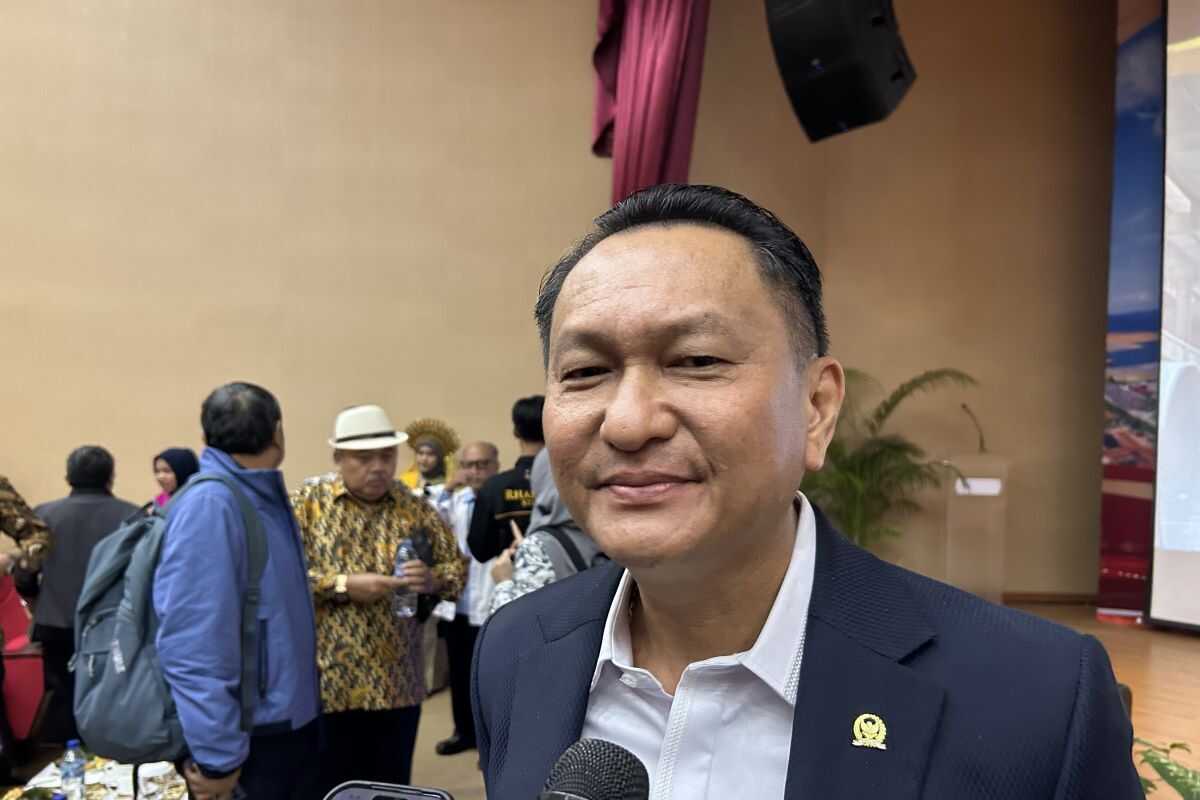
Jakarta, Indonesia — The Chair of Commission XII of the Indonesian House of Representatives, Bambang Patijaya, has expressed support for measures by the Energy and Mineral Resources Minister (ESDM), Bahlil Lahadalia, to mitigate potential global oil and gas supply disruptions arising from escalating geopolitical tensions in the Middle East. ‘We support the steps the ESDM Minister has prepared to safeguard the continuity of national energy supply,’ Patijaya said in Jakarta on Wednesday. He noted that rising geopolitical tensions in the Middle East could affect shipping access through the Strait of Hormuz, one of the world’s most strategic energy routes, as around 20 per cent of global oil supplies pass through the area. Therefore, if this route is disrupted or closed due to conflict, the impact would be felt not only by Middle Eastern countries but also by energy-importing nations such as Indonesia. He explained that Indonesia still imports several energy commodities from the Middle East, including crude oil and LPG from Saudi Arabia. Dependence on this supply route means the government must prepare anticipatory steps to maintain domestic energy supply stability in the event of local distribution disruptions. ‘In a dynamic global geopolitical environment, anticipatory measures are crucial to maintaining Indonesia’s energy resilience,’ he said. According to Patijaya, early mitigation is required because the government cannot speculate on how long potential disruptions in the Strait of Hormuz could last. He regards diversification of supply sources as an important option to give Indonesia flexibility in sustaining its national energy supply. ‘One possible step is to broaden sources of oil and gas from other countries that are geopolitically more stable,’ he stated. ‘Including from the United States and other producers that have safer distribution routes,’ he added. The Bangka Belitung-born politician also noted that Indonesia’s current national stock of crude oil remains around 21 days and is still in a secure condition. However, the dynamic global geopolitical situation requires the government to remain proactive in mitigation to ensure energy supply continuity for the public and the industrial sector. ‘The current stock is indeed safe, but mitigation must still be prepared in advance. The resilience of oil and gas supply is critical because it affects economic stability and the energy needs of society,’ he concluded.