
Commission X: Teachers Not WFH Reflects State's Attention to Education Quality
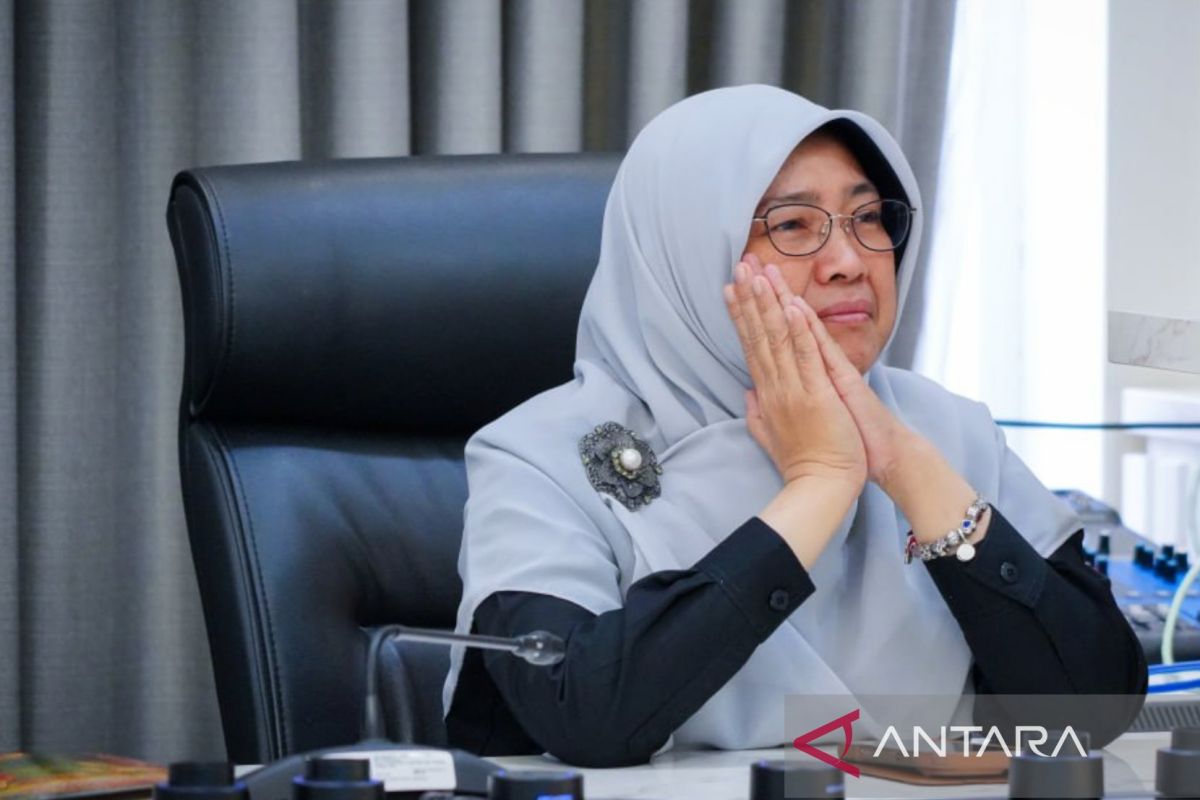
Jakarta (ANTARA) - Deputy Chair of Commission X of the House of Representatives, Kurniasih Mufidayati, considers the policy requiring civil servant teachers to continue face-to-face learning, amid the implementation of work-from-home for other civil servant sectors, as a manifestation of the state’s attention to the quality of national education.
“This policy reflects the state’s consistency in maintaining the continuity and quality of education. Face-to-face learning remains the primary foundation in driving academic competency achievements while enhancing the character quality of students,” she said in Jakarta on Wednesday.
She assessed that direct classroom learning is more effective in improving learning outcomes while preventing declines in academic performance.
Furthermore, she stated that interactions between teachers and students remain a crucial aspect of the education process that cannot be fully replaced by online systems.
According to her, previous experiences with distance learning, such as during the COVID-19 pandemic, demonstrated various limitations, from material comprehension to social interactions and character value reinforcement.
In addition, she proposed several strategic steps to strengthen the implementation of this policy, namely optimising educational facilities and infrastructure so that face-to-face learning can proceed safely, comfortably, and effectively, including in underdeveloped, frontier, and outermost (3T) regions; enhancing teacher capacity through ongoing training to enable adaptive and high-quality learning.
Moreover, strengthening digital-based educational administrative services to improve efficiency without disrupting the teaching and learning process in the classroom, and conducting periodic evaluations of policy implementation to ensure education service quality remains maintained amid various national policy adjustments.
She also considered this policy to be in line with the direction of human resource development in the vision and Astacita of President Prabowo Subianto, which positions education as the main pillar of national progress.
“Therefore, all policy elements need to mutually reinforce each other so that this grand goal can be achieved,” she said.
On Tuesday (31/3), the government officially implemented the work-from-home (WFH) policy for civil servants (ASN) every Friday.
Coordinating Minister for the Economy Airlangga Hartarto stated that the policy will take effect from 1 April 2026 and will be evaluated after two months of implementation.
Nevertheless, he detailed that several sectors are exempt from the WFH policy, including the education sector. Teaching and learning activities for primary to secondary levels will continue to be conducted face-to-face five days a week, without activity restrictions.