
Commission X: Hardiknas a Momentum to Enhance Education Quality
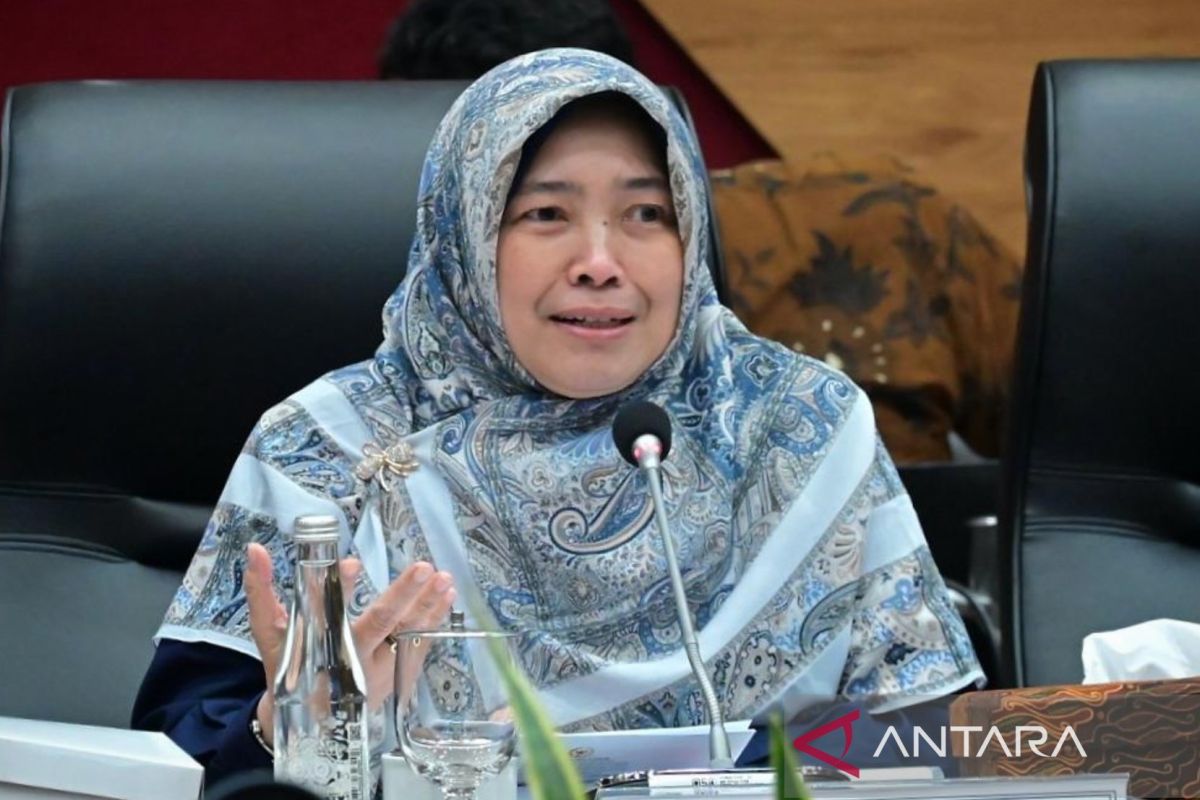
Jakarta (ANTARA) - Deputy Chair of Commission X Kurniasih Mufidayati views the commemoration of National Education Day (Hardiknas) 2026 as a momentum to enhance the quality of national education in a more directed, measurable, and sustainable manner. “Hardiknas must serve as a space for reflection as well as a starting point for more tangible improvements. Education is the foundation of the nation’s future, and we must not compromise on its quality,” she said in Jakarta on Saturday. So far, according to her, various achievements in the education sector deserve appreciation, particularly the government’s commitment to policy improvements and education reforms. Nevertheless, she believes there are several indicators showing that the homework related to education reform remains substantial. According to her, this condition indicates that access and continuity of education still pose serious challenges, especially for vulnerable groups and certain regions. The 2025 National Assessment results also indicate that around 50 percent of Indonesian students have not achieved minimum competency in literacy and numeracy. She stated that this serves as a strong signal that issues with learning quality have not been fully resolved. “This is not just a number, but a reflection of real challenges that we must address together. Access to education must be increased, but the quality of learning must also be the primary focus,” said Kurniasih. In line with that, she emphasised that education improvement efforts must be comprehensive, starting from strengthening teacher capacity, improving adaptive curricula, to equitable distribution of educational facilities and infrastructure. According to her, education quality cannot be separated from the quality of its supporting ecosystem. In that context, Kurniasih also stressed the importance of the DPR’s role, particularly Commission X, in ensuring that education policies are effective and on target. The oversight and legislative functions, according to her, must be strengthened, especially in monitoring the utilisation of the education budget allocated at 20 percent of the state budget. She also highlighted the importance of a comprehensive evaluation of the implementation of various education policies, including those related to zoning, child protection in educational environments, and attention to teacher welfare and status, including honorary teachers. She assessed that good policies must be followed by strong and consistent implementation in the field. Regarding Hardiknas, Kurniasih invited all stakeholders not to focus only on achievements, but also to dare to look at challenges honestly and openly.