
Commission VII Pushes for Environmentally Conscious Regulations in the Bottled Water Industry
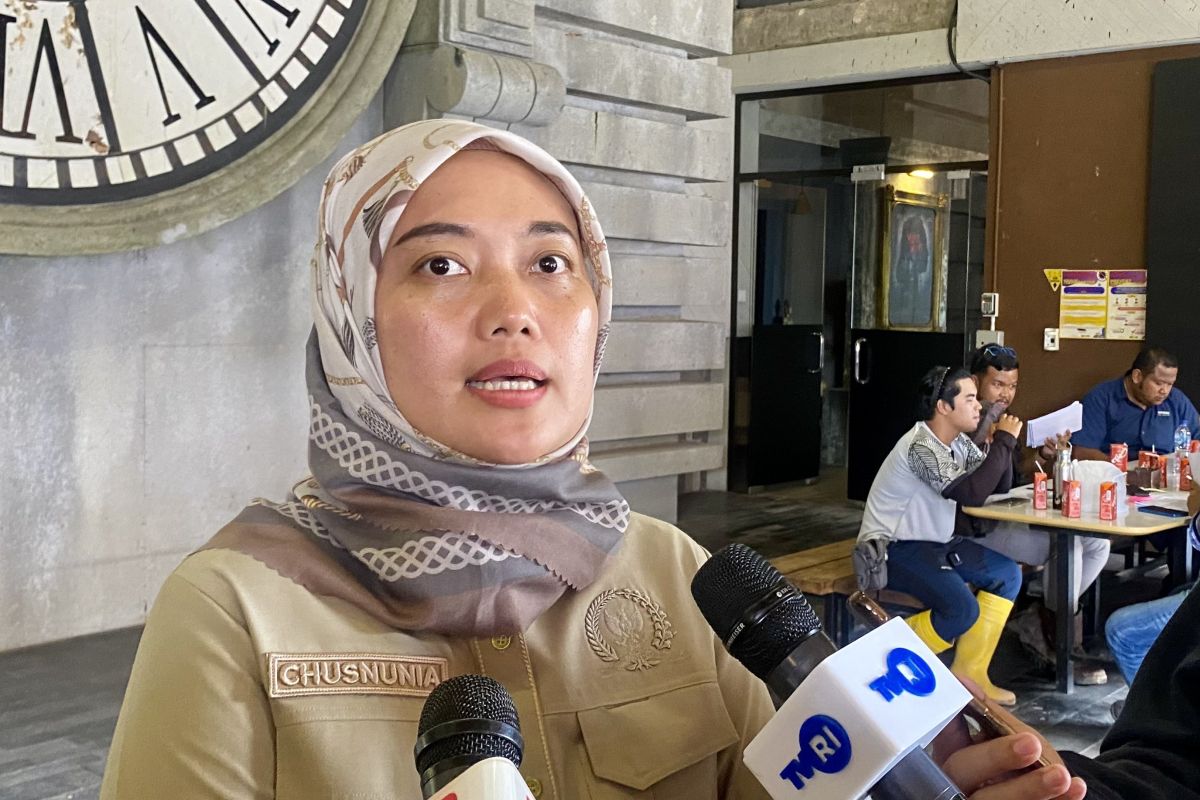
Jakarta (ANTARA) - Deputy Chair of the House of Representatives Commission VII, Chusnunia Chalim, is pushing for strengthened regulations in the bottled drinking water (AMDK) industry to make it more environmentally conscious and to ensure public access to clean water.
She stated that Commission VII is forming a working committee (Panja) to ensure the sustainability of water resources and to assess the environmental impacts of AMDK industry activities.
“We continue to monitor all production processes in the AMDK industry to ensure they meet standards and principles of sustainability,” she said in a statement in Jakarta on Monday.
According to her, various issues arise from the industry’s practices, ranging from water source management to limited public access to clean water, including plastic packaging waste problems.
“Plastic bottle or cup waste from packaged water, for example, poses a serious environmental problem because it is difficult to decompose, accumulates, and pollutes ecosystems, especially in big cities,” she said.
Chusnunia highlighted research findings showing that AMDK waste is among the top three contributors to plastic waste in Indonesia.
She also referred to a study by the Net Zero Waste Management Consortium in November 2023, which recorded that packaged drinking water plastic waste is among the top ten waste accumulations in several major cities such as Jakarta, Surabaya, Medan, Makassar, Bali, and Samarinda.
In addition to waste issues, she assessed that the large-scale use of raw water by the AMDK industry also has the potential to disrupt water availability for surrounding communities.
“The AMDK industry often extracts groundwater on a large scale for production, which causes residents’ wells to dry up or their flow to decrease dramatically, as a result, residents near bottled water factories, including foreign factories in Subang, report difficulties in obtaining clean water for daily needs,” she said.
For this reason, Commission VII of the House of Representatives is urging AMDK producers to increase their responsibility in managing plastic waste, particularly for types of packaging that are difficult to recycle and have the potential to generate microplastics.
“In the future, we will continue to push for AMDK producers to play a more active role in managing the plastic waste from their products, especially certain types of plastic packaging that contain specific compounds or material mixtures that are difficult to recycle,” she said.
She stated that strengthened regulations are needed so that the industry does not neglect sustainability aspects and the public’s right to water.
“We in Commission VII of the House of Representatives will continue to voice issues of environmental preservation and the organisation of the AMDK industry so as not to manipulate water resources that are the people’s right,” she said.