
Commission VII of House of Representatives Calls for Government to Review US-Indonesia Trade Agreement
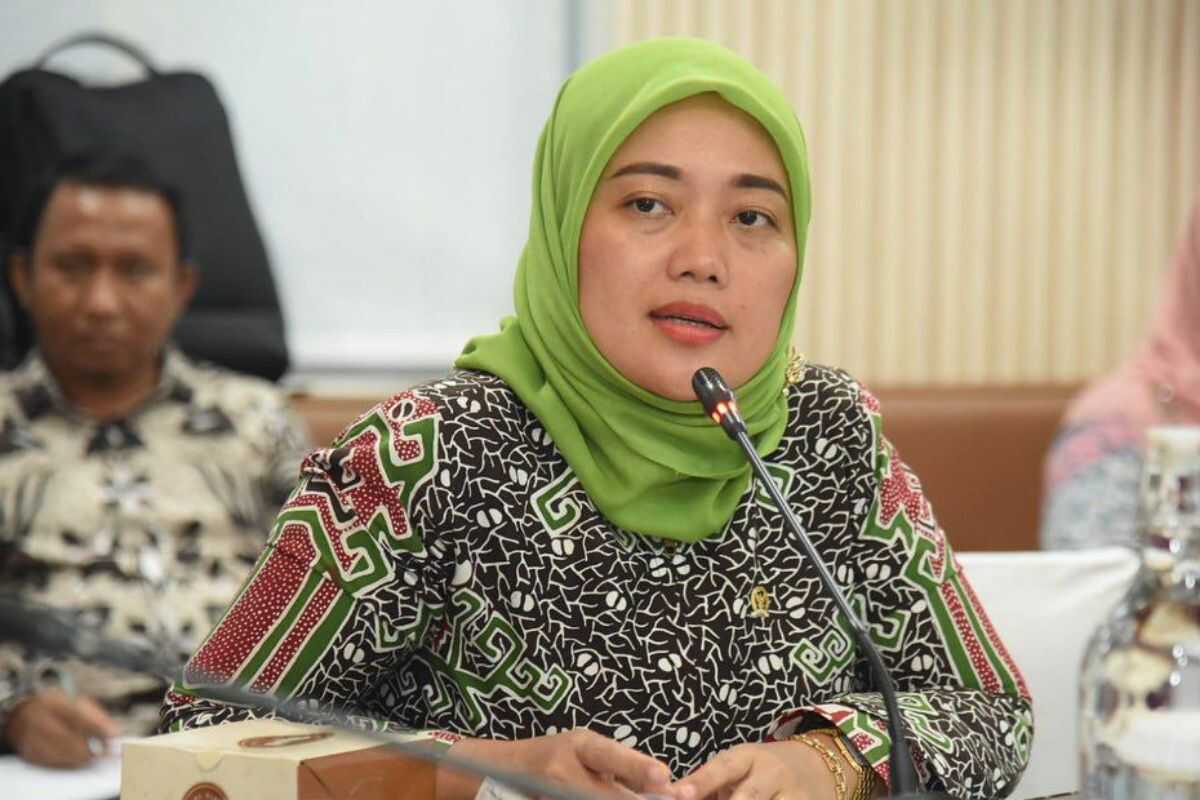
Jakarta — The Deputy Chair of Commission VII of the Indonesian House of Representatives, Chusnunia Chalim, has called on the government to review the US-Indonesia trade agreement, formally known as the Agreement on Reciprocal Trade (ART), which was signed by President Prabowo Subianto in Washington DC on Thursday, 19 February.
According to Chusnunia’s written statement, the ART encompasses sectors including trade, investment, digital services, natural resources, labour, environmental protection, and economic security.
The agreement is considered to heavily disadvantage Indonesia through clauses requiring Indonesia to consult with and obtain US approval before establishing partnerships with other nations.
“There are more than 20 articles in the agreement that are concerning, for instance regarding Domestic Component Level (TKDN) requirements. The agreement’s clauses state that goods from the US are exempt from requirements established in Indonesia,” Chusnunia said.
She also noted that if implemented, other countries would potentially demand similar treatment, whilst TKDN is being implemented to promote national industrialisation as one of the government’s priority agendas.
According to her, TKDN is regulated under Industrial Ministry Regulation No. 35 of 2025, which mandates high local components, including nickel batteries and electronic modules for incentives.
Under this regulation, manufacturers that establish facilities in Indonesia and employ local labour receive recognition of minimum TKDN of 25 per cent.
Chusnunia also criticised clauses reducing non-tariff barriers and certification, which are considered to risk flooding the market with agricultural and livestock products such as beef, dairy, and cheese that could undermine local producers.
She emphasised that the US Supreme Court has already invalidated reciprocal tariffs, declaring the policy illegal since tariff setting should occur through Congressional approval, not unilateral presidential authority.
She reminded that the government must ensure every international agreement is guided by social interests, principles of equal standing, and the basis of mutual benefit.
“The government and parliament still have time to consider renegotiation steps if the previous trade agreement was based on high tariff threats that have now been invalidated,” she said.
According to her, the change in legal circumstances in the US creates an opportunity to reassess the agreement that has been concluded.