
Commission VII Highlights Sustainability of Bottled Drinking Water Industry
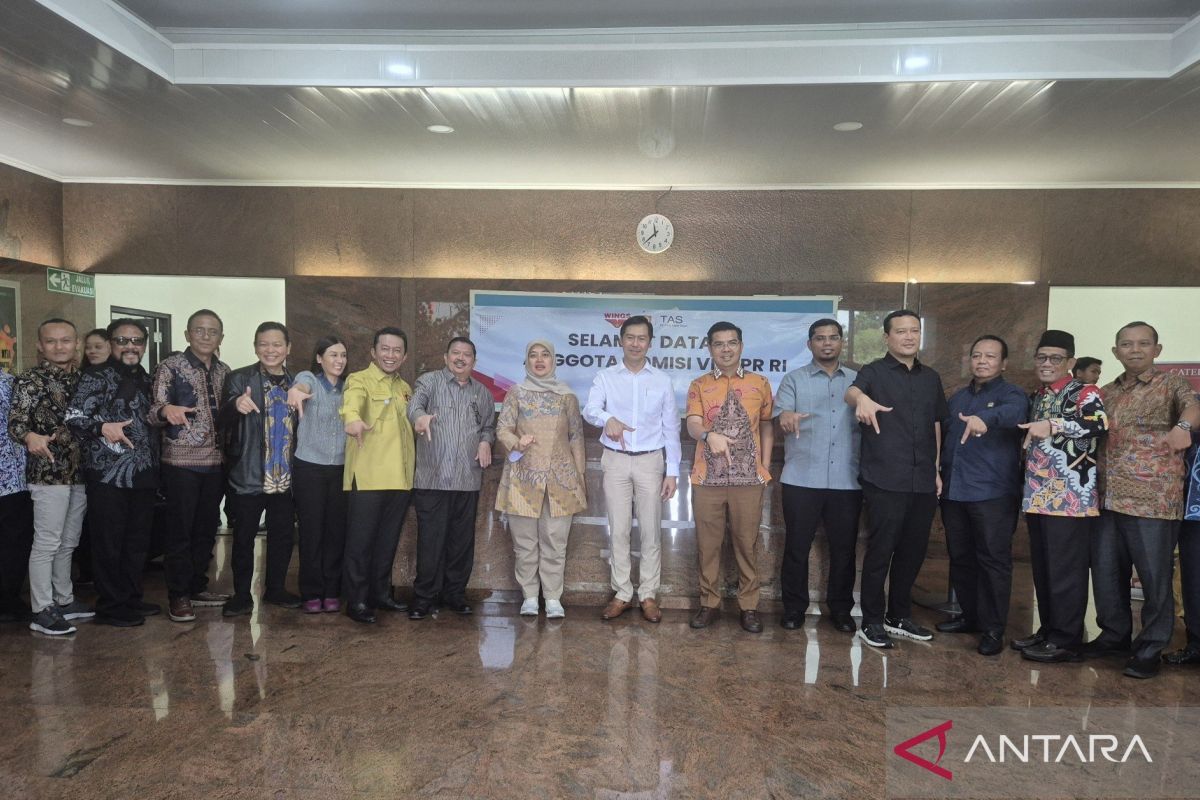
Bekasi Regency (ANTARA) - Commission VII of the Indonesian House of Representatives has highlighted aspects of sustainability in the Bottled Drinking Water (AMDK) industry, particularly concerning water resource management and plastic waste handling, to ensure production processes comply with regulations.
“The main point is that we want to ensure the AMDK industry operates in accordance with the rules, including sustainability aspects,” said Deputy Chair of Commission VII Chusnunia Chalim while leading a specific working visit to PT Tirta Alam Segar (TAS) in Cikarang, Bekasi Regency, West Java, on Thursday.
She explained that the formation of the AMDK Working Committee or Panja AMDK under Commission VII was driven by concerns over access to clean water and the environmental impacts of the industry, necessitating oversight of all production processes to meet standards and sustainability principles.
From the raw materials perspective, Commission VII ensured that the company does not directly use groundwater but instead relies on an integrated industrial zone system from the local industrial estate manager.
Collaboration in purchasing bulk water from regional drinking water companies or local governments was suggested as an option for obtaining raw materials.
Chusnunia also emphasised the importance of maintaining water resource sustainability, including through the construction of retention infrastructure such as reservoirs.
“Companies using water as raw material must contribute to availability, one of which is building reservoirs so that water is stored longer on land,” she said.
In addition to water raw material issues, attention was also directed towards the use of single-use plastic packaging. Chusnunia assessed that the annual increase in plastic waste volume has not been matched by optimal management.
Currently, the recycling rate through circular economy schemes is said to be below 30 per cent, while most waste ends up in landfills or pollutes the environment.
“If not managed properly, plastic will pollute the sea, rivers, and forests,” she stated.
Commission VII encourages increasing recycling capacity and strengthening the waste management ecosystem, including linking waste banks with industries as off-takers.
Such efforts, according to Chusnunia, require cross-sectoral orchestration to match the massive production scale.
On the other hand, Commission VII also highlighted the importance of innovations in environmentally friendly plastic raw materials based on biotechnology and strengthening domestic industry self-reliance, which still depends on imports of raw materials.
“We appreciate PT TAS’s contributions through its CSR in providing clean water access, especially during disaster response, but we also encourage the company to develop more sustainable and long-term impact programmes, particularly in areas still facing limited clean water access,” she said.
Director of PT Tirta Alam Segar Ricky Tjahjono expressed commitment to providing quality drinking water at affordable prices while striving to expand clean water access through various social programmes.
“We hope our products can be enjoyed by the wider community, while also contributing to clean water access provision,” he said.
He explained that the raw water supply has so far been obtained from the MM2100 industrial estate manager, which is also connected to the Bekasi Regency Government’s regional-owned enterprise, Perumda Tirta Bhagasasi, thus indirectly empowering the local company.
“From an environmental perspective, we have also implemented a wastewater treatment system with high standards,” he stated.
From a regulatory standpoint, Special Staff to the Minister of Industry for Accelerating Industry 4.0 Transformation Andi Rizaldi affirmed that AMDK products are in the category required to meet Indonesian National Standards (SNI). This provision applies to all industry players, both large and small scale.
“All AMDK producers must be SNI-certified to ensure public safety and health aspects. Small industries are also mandatory, and the government assists with certification costs. The government is also promoting consumer education, including plans to categorise sugar levels in beverage products to raise public awareness of health risks,” he said.