
Comedian Pandji Pragiwaksono Remains Silent on "Mens Rea" Material Writer as Police Reveal Examination Facts
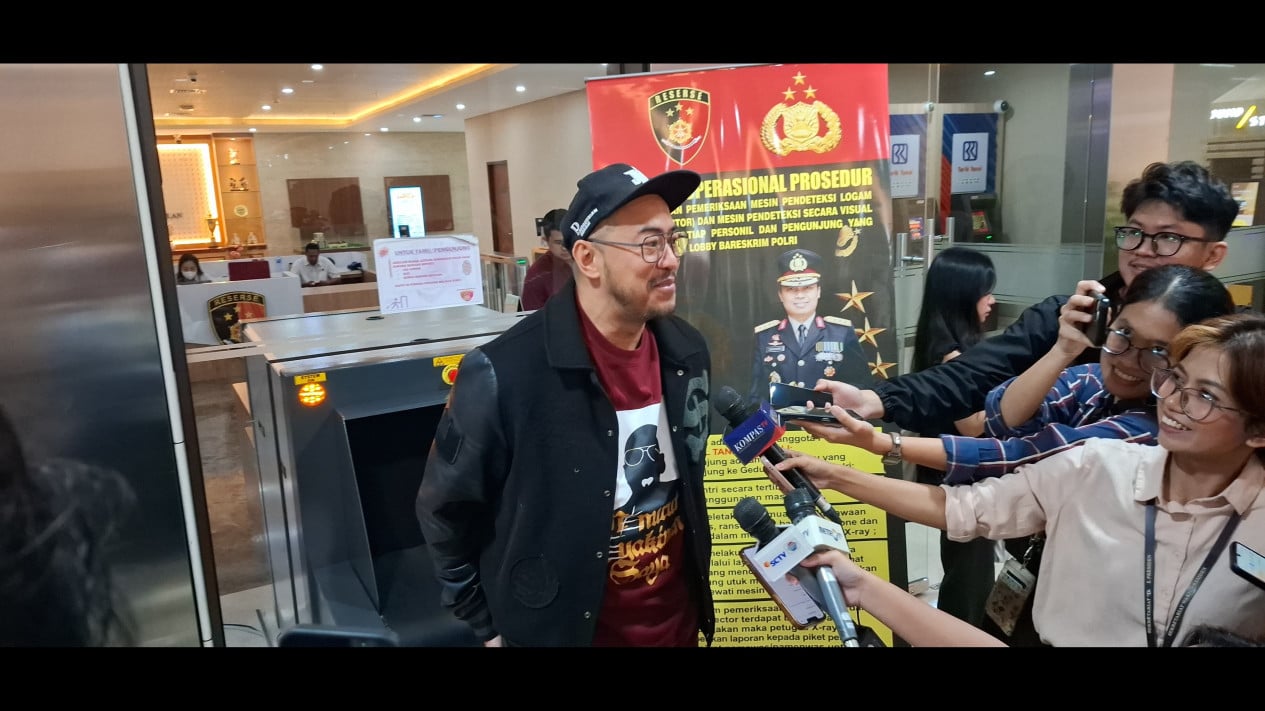
Jakarta – The case of alleged religious defamation concerning the stand-up comedy material “Mens Rea” performed by comedian Pandji Pragiwaksono continues to develop.
During the examination process, investigators discovered that not all questions were answered by Pandji. This was confirmed by the Head of Public Relations at the Jakarta Metro Police Regional Command, Senior Police Commissioner Budi Hermanto, who stated that several questions remained unanswered when Pandji was examined as the respondent on Friday, 6 February 2026.
“There were several questions that were asked but not answered (by Pandji),” he said, as quoted on Friday, 13 March 2026.
However, he noted that the refusal to answer these questions constituted Pandji’s right as a respondent in the legal process. According to him, this was nevertheless documented in the examination report (BAP).
Furthermore, Budi revealed that one of the unanswered questions concerned the identity of the person who wrote the “Mens Rea” stand-up comedy material.
“Yes, that’s correct (the question about who wrote Mens Rea went unanswered),” he said.
Previously, public scrutiny of the “Mens Rea” stand-up comedy performance prompted comedian Pandji Pragiwaksono to visit the Jakarta Metro Police Regional Command.
On Friday, 6 February 2026, Pandji responded to an invitation from investigators to provide clarification regarding the performance, which has become controversial following its release on the Netflix platform.
Pandji arrived at the Jakarta Metro Police Regional Command accompanied by human rights activist Haris Azhar. Both appeared composed when facing media representatives before entering the building to undergo the clarification process.
Haris Azhar explained that Pandji’s attendance was a demonstration of good faith to clarify the circumstances surrounding the “Mens Rea” performance, which has since been reported by multiple parties. In total, five police reports formed the basis for Pandji’s summons as a respondent witness.
According to Haris, this clarification would serve as a dialogue space between Pandji and the investigators, to achieve mutual understanding of the substance of the complaints filed. Pandji, he said, wished to hear directly what the police’s concerns were, whilst also explaining the context of the disputed performance.
“So it’s more about mutual understanding, in a manner of speaking. We will have a discussion with the police so we can hear what the problem is first, what their concerns are. Since Pandji is present, perhaps Pandji can share his account so that the police can develop or narrow down the case,” said Haris.