
Colorectal cancer can affect young people: symptoms and causes
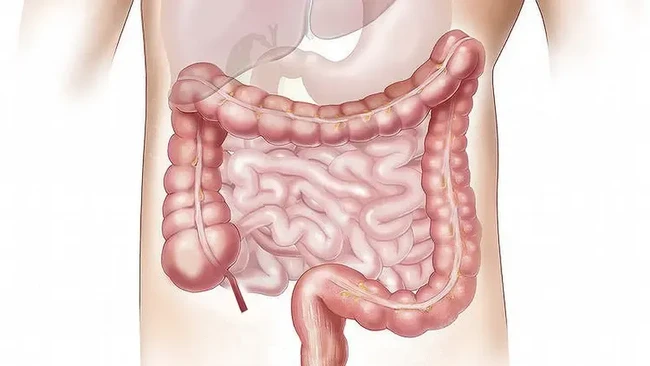
Colorectal cancer, previously associated with older age, has seen rising cases among younger adults in recent years. This condition is a serious concern because many patients are diagnosed only after the disease has progressed. Colorectal cancer is the growth of abnormal cells in the colon or rectum. The disease develops slowly, typically starting from polyps on the intestinal wall that can gradually become malignant.
Why Can It Strike Young People?
There is no single medical cause for colorectal cancer in younger individuals. However, several risk factors are thought to play a major role, including:
Unhealthy diet: high intake of red meat, processed foods, low fibre, and few vegetables and fruits can increase risk.
Sedentary lifestyle: lack of physical activity and long periods of sitting are linked to higher colorectal cancer risk.
Obesity: excess weight triggers chronic inflammation in the body that can raise cancer risk.
Family history: genetic factors are important. If a family member has colorectal cancer, risk increases.
Smoking and alcohol consumption: both can damage body cells and trigger mutations.
Inflammatory bowel disease: such as ulcerative colitis and Crohn’s disease, which cause long‑term bowel inflammation.
Certain genetic factors: Some hereditary syndromes such as Lynch syndrome increase colorectal cancer risk at younger ages.
Symptoms Often Overlooked
The problem is that symptoms of colorectal cancer in younger people are often dismissed as trivial or as ordinary digestive problems. Here are signs to watch for:
Changes in bowel habits (diarrhoea or prolonged constipation)
Faeces mixed with blood or dark in colour
Persistent abdominal pain or cramps
Bloating and discomfort
Unexplained weight loss
Fatigue
A sense of incomplete evacuation after a bowel movement
If these symptoms persist for more than two weeks, medical evaluation should be undertaken promptly.
Why Is Detection So Often Delayed?
In younger people, doctors and patients do not always immediately suspect cancer as the cause of the symptoms. Consequently, further investigations such as colonoscopy are often delayed. Yet early detection is crucial to successful treatment.
How to Prevent From Now On
Although not all cases can be prevented, risk can be reduced with the following measures:
Increase fibre intake from vegetables, fruits, and whole grains
Reduce red meat and processed foods
Regular exercise of at least 30 minutes per day
Maintain an ideal body weight
Avoid smoking and limit alcohol
Begin screening earlier if there is a family history
Currently, several global health organisations even recommend that colorectal cancer screening begin at age 45, or earlier for those with risk factors.
Don’t Underestimate Digestive Complaints
Colorectal cancer in young people is no longer a rare case. Modern lifestyle changes are thought to contribute to rising incidence. Recognising symptoms early and not delaying investigation is key. If the body gives an unusual signal, do not ignore it. Early detection can save lives.