
Coal Prices Surge to US$143, Highest in Over a Year
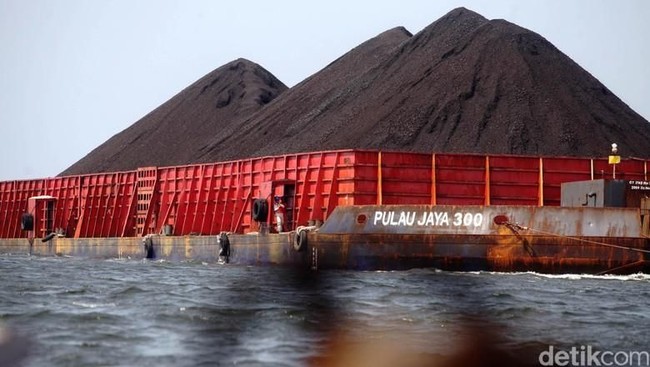
Jakarta — Coal prices have surged, driven by rising oil prices and escalating tensions in the Middle East.
According to Refinitiv data, coal prices closed at US$143.8 per tonne on Monday, 9 March 2026, representing a jump of 4.7% and extending a three-day rally with gains of 8.2%.
Growing uncertainty surrounding European energy security is prompting several nations to temporarily revert to coal-fired power generation. This shift follows disruptions to global energy supplies and soaring gas prices resulting from ongoing tensions between the United States and Israel on one side and Iran on the other.
Following the escalation of conflict in the Gulf region and disruptions to energy supplies through the Strait of Hormuz, thermal coal prices for power generation have risen approximately 20%. Prices are expected to climb further as many nations seek alternatives to natural gas.
The Iran-Israel-United States conflict has driven crude oil prices up 35% and natural gas prices soaring 50% in the past week. These surges have made cheaper coal an attractive option.
With gas prices elevated, coal-fired power plant operations have become more economically viable in some European countries. Despite significant environmental impacts, economic pressures are driving temporary coal use.
According to the Financial Times, current price increases remain relatively moderate compared to the sharp spike in 2022 following the Russia-Ukraine war, when coal prices exceeded US$400 per tonne. That crisis prompted Germany and other European nations to reopen coal mines and power plants previously shuttered.
Global coal supply is currently less constrained than in 2022, as many nations maintain substantial reserves. China, the world’s largest coal producer and consumer, is even expanding or reopening mine operations.
High coal prices may also prompt Indonesia, one of the world’s largest exporters, to reconsider its export restriction policies.
The International Energy Agency (IEA) projects that global coal demand will stabilise or begin declining by 2030 as renewable energy, nuclear power, and natural gas availability increase. However, ongoing geopolitical tensions could affect these projections.
Renewable energy surpasses coal in Europe
Data from the Ember Energy Research Centre shows that wind and solar electricity surpassed fossil fuel-based generation for the first time in 2025. Renewable energy accounts for approximately 30% of total European Union electricity, compared with 29% from coal, gas, and oil.
However, analysts assess that coal can still serve as a backup energy source in Europe’s energy mix, particularly if gas prices rise again or supplies are disrupted.
The ongoing Middle East conflict is also accelerating global efforts to reduce dependence on oil and gas from the region, driving coal prices to their highest level since November 2024.
Newcastle Asian coal futures contracts rose approximately 9.3% to US$150 per tonne, whilst crude oil prices approached US$120 per barrel during the same period.