
Coal Prices Surge Near $140 as China and India Compete for Supply
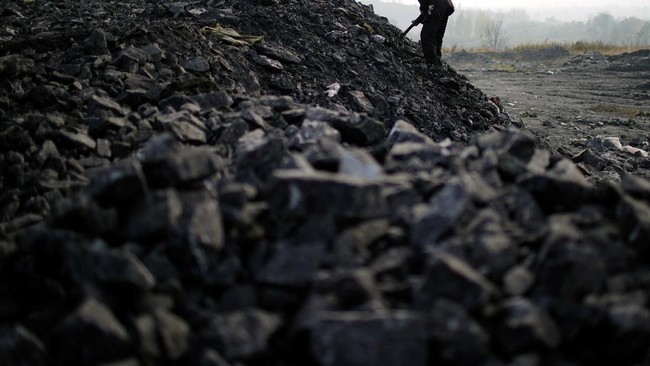
JAKARTA — Coal prices have surged amid market concerns over supply in China and strong demand from India. According to Refinitiv, coal prices closed at $139.4 per tonne on Tuesday (26 May 2026), a 2.16% increase, marking the highest closing price since 5 May 2026, over three weeks ago. The rise comes as coking coal supply tightens following a mine accident in Shanxi, a major coal-producing region in China. Large-scale safety inspections have led to temporary production halts at several mines, causing market concerns over further supply shortages. After the fourth price increase took effect, the market immediately began discussing the possibility of a fifth round of price hikes. Industry players believe coking coal producers have stronger bargaining power due to low market stocks, while steel industry demand remains relatively stable. However, not all agree. Some steel mills are rejecting further price hikes as their profit margins are squeezed by weakening steel prices, leading to tensions between coking coal producers and steel manufacturers. Meanwhile, the global coking coal market has also strengthened. Australian and Chinese coking coal prices rose throughout May due to tight supply and production disruptions at several mines. Following last week’s mine accident that killed 82 people, Shanxi authorities have halted operations at 109 mines with a combined annual production capacity of 122 million tonnes. A fatal explosion occurred at the private Liushenyu mine on Friday night. Most mines typically face operational shutdowns of three to seven days following serious incidents. The market is now watching whether the shutdowns will be expanded, as China is set to launch its annual mining safety campaign on 1 June. If Beijing does not impose major tightening measures, coal production is likely to recover quickly after initial inspections, potentially pushing prices down again. ‘Given the need to maintain coal supply ahead of summer, the central government has not yet tightened workplace safety oversight further,’ said Yu Dian, chief researcher at Shanghai-based Citic Futures, quoted by The Star. The explosion killed at least 82 people and suddenly tightened China’s coking coal market, directly affecting around 4% of national production. Mysteel noted that some mining companies have started receiving higher price offers following the disaster. Coking coal futures rose 0.5% to 1,273 yuan per tonne at 11:01 Singapore time. Meanwhile, iron ore prices on the Singapore Exchange fell 1.4% to $105.20 per tonne. Iron ore prices in Dalian and steel prices in Shanghai also weakened. Summer Drives Demand Beyond inspections, summer is approaching and electricity demand is entering peak season. Institutions like CITIC Securities noted that this year’s summer demand, including coal consumption by thermal power plants and the chemical sector, has exceeded expectations. Downstream users have been reducing stocks during the off-season, but restocking demand for the peak season could emerge at any time. With coal supply shrinking on one hand and demand remaining steady or rising on the other, the remaining coal is becoming increasingly contested. As a result, the price per tonne of coal is being recalculated on the exchange. Near-month coking coal futures surged nearly 8% in a single day, while next-month contracts also hit daily price limits. In India, state-owned coal miner Coal India has instructed its subsidiaries to increase coal supplies to power plants. This move aims to prevent supply shortages as the country’s electricity demand hits record highs due to extreme heatwaves, according to two sources familiar with the situation. Several regions in India have experienced power outages, particularly at night when renewable energy supplies are unavailable. This follows extreme heatwaves triggered by El Niño weather patterns straining the national grid. Twenty-one power plants have critically low coal stocks, sufficient for less than a week’s demand, according to the latest data from the Central Electricity Authority, an advisory body under India’s Ministry of Energy. The world’s largest coal producer has instructed its subsidiaries to maximise coal deliveries via all transport modes, including rail lines that carry coal directly from mines to power plants, the source said. On Tuesday, Coal India stated it had asked power utilities to build up coal stocks earlier ahead of peak demand, particularly for plants in regions with logistical challenges. India’s peak electricity demand, measuring maximum power needs, hit a record high of 270.8 gigawatts (GW) last week. Despite India’s 228 GW of non-fossil energy capacity, coal still accounts for over 70% of the country’s power generation. Coal India and its eight subsidiaries, which account for around 80% of India’s coal production, recorded a 9.7% drop in output to 56.1 million metric tonnes in April, according to company data. The company said it had coal stocks of 168 million tonnes, including…