
Coal Prices Surge for Three Days, Europe on Edge
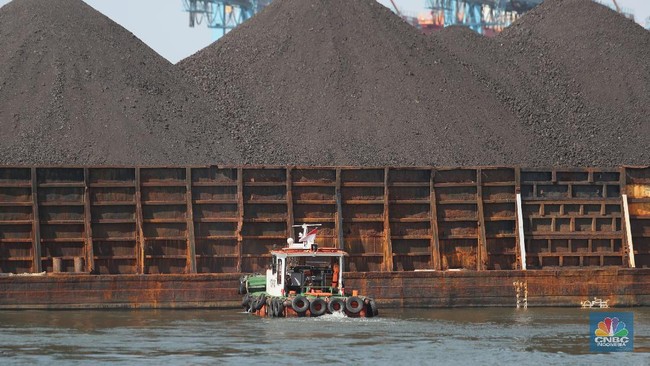
Jakarta, CNBC Indonesia - Coal prices are heating up further. According to Refinitiv, the May coal contract price closed at US$129.1 per tonne on trading Thursday (24/4/2026), surging 1.06%. This increase extends its positive trend, strengthening 7.3% over the last three days. The coal price surge follows oil prices, as both are energy commodities that influence each other. Brent oil prices have once again broken through US$105. The price spike is also triggered by reduced supply. Coal supply via rail to Caofeidian port dropped sharply in a single day. This condition is caused by rail logistics disruptions from mines to ports, as well as weather factors or shipping schedules. Caofeidian is one of the main shipping hubs for northern China coal, so this data is often used by traders to gauge the thermal coal market conditions in China. At Huanghua Port, another major shipping hub for coal in northern China, it received 610,000 tonnes of coal via rail lines in the 24 hours until the morning of 22 April 2026. Huanghua is a strategic port for distributing thermal coal from mining areas such as Inner Mongolia and Shanxi to China’s eastern coastal regions. Therefore, arrival data is often used by traders to read the direction of the thermal coal market in China. This data indicates that the flow of coal supply to China’s major ports is beginning to slow, which could signal a wait-and-see market ahead of the summer season and the next utility restocking phase. China has also warned that a moderate to strong El Niño is expected to emerge starting in May 2026 and continue until the end of the year. Its main impact could be significant for the national electricity sector, especially since China heavily relies on a combination of hydropower plants (PLTA), coal, solar power, and inter-regional transmission networks. El Niño could disrupt the East Asian monsoon, with southern/southwestern China at risk of major flooding while other regions face drought risks. Both are equally bad for hydroelectric generation: too little water can reduce electricity production, while flooding forces dams to reduce output or temporary shutdowns. This is crucial because provinces like Sichuan and Yunnan heavily depend on hydropower. China experienced an electricity crisis in 2022 when a heatwave and drought hit Sichuan. If hydropower declines and demand rises, China may need to increase coal-fired generation and imports. Europe Faces Gas Supply Crisis if Strait of Hormuz Closes for One Year According to a Montel report, the current energy price surge in Europe due to the Iran war could turn into a real supply crisis if the Strait of Hormuz remains closed for the next year. This gas price surge could have a positive impact on coal prices as they are also lifted. Currently, Europe is still in the price shock phase, meaning gas is still available but very expensive. However, if the closure continues for a long time, the problem changes to not just high prices, but whether physical gas is still available for Europe or not. The Strait of Hormuz is a vital route for global energy exports. Around 20% of the world’s LNG usually passes through that area, including gas from Qatar, which has been an important supplier to the European Union. Europe’s gas reserves are low because after a harsh winter, European gas storage is only about 31% full, the lowest level for this period since 2022. If Middle Eastern LNG is disrupted, European buyers will have to compete for cargoes with Asian countries. Over the past few weeks, Europe has still been able to hold on through storage and imports from Norway and the United States. But if Hormuz is truly closed for a full year, the European gas market could enter a real supply crisis phase, similar to or worse than the 2022 energy crisis.