
Coal Prices Rise, Positive News from India and China
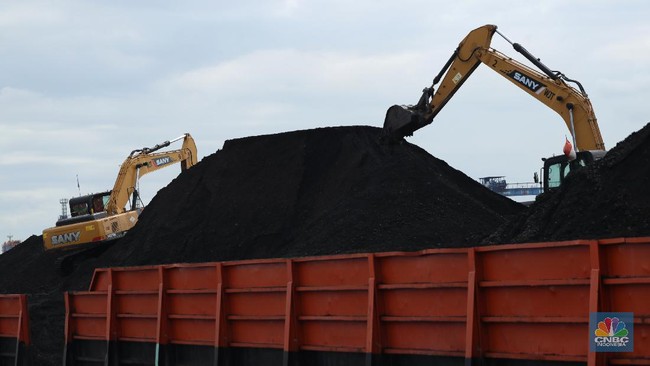
Jakarta, CNBC Indonesia - Coal prices strengthened slightly, supported by various positive reports. According to Refinitiv, coal prices closed at US$135.2 per tonne on Thursday (7/5/2026) trading, up 0.3%. This strengthening is good news following a 3.5% drop in prices on Wednesday. Thermal coal prices in China rose after previously being reported as stable. The benchmark coal index price in the Yulin production area with 5,800 kcal/kg NAR quality was recorded as stable at CNY 475 per tonne (including VAT), unchanged from the previous day, but down CNY 9 per tonne on a weekly basis. This means that mine-mouth coal prices in Shaanxi experienced no daily change, reflecting a relatively calm and balanced market condition between demand and supply. Demand from industrial buyers remains moderate while trading activity tends to be cautious. The market is in a stagnant condition due to no strong drivers from either the demand or supply side. A market player mentioned that although sales continue due to regular customers, this year’s market conditions tend to be weak, making it difficult for prices to rise significantly. South African thermal coal prices at Indian ports showed mixed weekly trends last Thursday, although international offer prices tended to rise due to increasing freight and energy costs. However, despite the rise in offer prices, market activity remained very limited as buyers were reluctant to purchase at high price levels. In addition, India’s imports of non-coking coal from South Africa dropped sharply to 1.97 million tonnes in April, from 3.48 million tonnes in March, or a 43.4% monthly decline. This drop reflects weak industrial demand and an increasing preference for domestic coal. Rising freight costs drive global prices. Market players said international coal prices strengthened following rises in gas and crude oil prices, which pushed upward pressure from the Indonesian Coal Price Index (HBA) as well as the freight market. Persistently high shipping costs also increase landed costs (costs upon arrival at destination port). Demand from the sponge iron and steel sectors remains weak, pressuring the imported coal market. Market players said purchases are still need-based, with a wait-and-see strategy due to weakening steel prices and sluggish demand for finished steel products. Purchasing activity in the semi-finished and finished steel markets remains weak, thus compressing raw material consumption.