
Coal Prices Reignite After Mr. Trump's Support
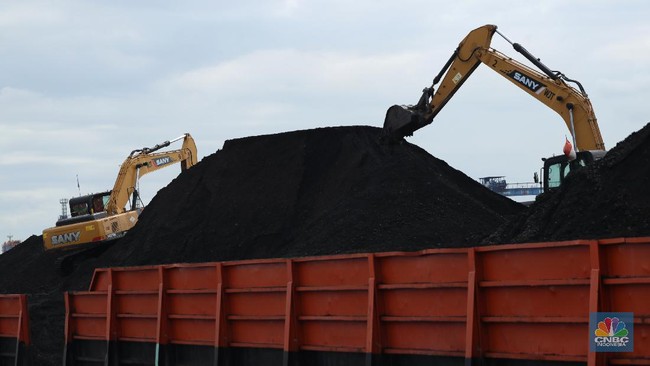
Coal prices have suddenly surged again. According to Refinitiv, coal prices closed at US$139.35 per tonne, up 3.41% in trading on Wednesday (18/3/2026). This rebound ends the previous three-day decline of 2.9%. The escalating conflict in the Middle East has abruptly disrupted about one-fifth of global LNG supplies, following Qatar’s reduction in production and exports. This has driven Asian buyers to rely more heavily on coal and other reserve fuels. This shift underscores that countries like China, India, Japan, and South Korea are increasingly prioritising energy security and diversifying supply sources. Meanwhile, global energy prices such as Brent crude, US crude oil, and natural gas are also reacting to the tightening regional gas supply balance and rising risk premiums due to geopolitical tensions. In the United States, coal-fired power plants are now in a highly constrained state, almost uncompetitive. Many coal plants have been shut down as the use of cheaper renewables and natural gas has increased. The Donald Trump administration in the United States has employed various measures to counter this economic trend, including ordering plants scheduled for closure to remain operational. The US Department of Energy is utilising the Federal Power Act and Trump’s executive order declaring an energy emergency to prevent the closure of coal plants nationwide. One such case is the plant in Centralia, Washington, which was actually scheduled to close last year to be converted into a natural gas plant. A previous emergency order from the Department of Energy kept this plant operational through the winter, but that order was supposed to end yesterday. With the new order, the plant will continue operating until mid-June. Reports from China indicate that coal prices are showing divergent trends between thermal and coking segments, reflecting domestic demand dynamics that are not yet fully solid. For thermal coal, mine-mouth prices are starting to creep up along with renewed buying interest from domestic utilities. This increase is driven by restocking activities at power plants anticipating rising energy needs. Additionally, previously suppressed prices have made domestic coal economically attractive again, prompting buyers to re-enter the market. However, this price strengthening remains gradual and limited. High coal stocks at ports and incomplete recovery in electricity demand are factors restraining further increases. On the other hand, the market is still overshadowed by abundant domestic supply, rising shares of alternative energy, and China’s government policies actively maintaining energy price stability. In contrast to thermal coal, coking coal prices are continuing their upward trend, supported by sustained strong demand from the steel industry. Relatively stable steel production keeps raw material needs high, while supplies of certain qualities remain limited. However, behind this rise, signs of weakness are emerging in the high-end segment. Buyers are becoming more selective due to already high premium prices, margin pressures in the steel industry, and a tendency to switch to lower-quality grades for cost efficiency. For the global market, particularly exporters like Indonesia, this situation signals that price support persists, but the potential for significant increases is becoming limited amid more selective demand dynamics.