
Coal Prices Plunge for Three Days, China's Aid in Vain
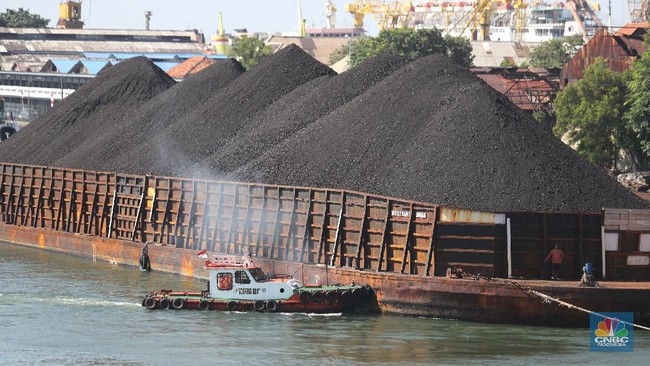
Coal prices have eased again. The decline coincides with a slight correction in natural gas prices in Asia and Europe. Prices remain weak despite dwindling supplies in China. According to Refinitiv, coal prices traded at US$133.4 per troy ounce on Thursday (14/5/2026), down 0.37%. Coal prices have plunged for three straight days, weakening by 2.2%. Natural gas prices fell from their highs after Donald Trump and Masoud Pezeshkian agreed to a ceasefire, although the situation remains fragile. Additionally, reports indicate that ADNOC continues to deliver some LNG cargoes despite the blockade in the Strait of Hormuz. European natural gas prices tumbled 0.6% in Thursday’s trading. Nevertheless, tight global LNG supplies have kept thermal coal futures prices more than 20% higher since the start of the year. The shift to fuel use is even more significant in Japan and South Korea, two major consumers of high-quality thermal coal from Australia. Meanwhile, China’s coking coal market remains strong as mine stocks continue to decline. This is due to a combination of supply restrictions in major producing areas, particularly in Shanxi Province, as well as safety inspections and production oversight that limit mine output. Prices also remain tight due to active buying from coking plants and traders, which accelerates stock absorption and expectations of rising coking coal prices, supporting demand for raw materials. As a result, even though the steel sector faces pressure, limited mine stocks keep coking coal prices resilient. Inventories of coking coal at Chinese mines have also reportedly fallen to their lowest levels in several months. According to a Mysteel survey of 523 mines, stocks dropped to around 5.37 million tonnes, the lowest since early January 2026. China is the world’s largest consumer of coking coal. If domestic supplies tighten, China may increase imports from Australia, Mongolia, Russia, and Canada. This situation could lift global coking coal prices.