
Coal Prices Plunge 4.6%, the Party is Over
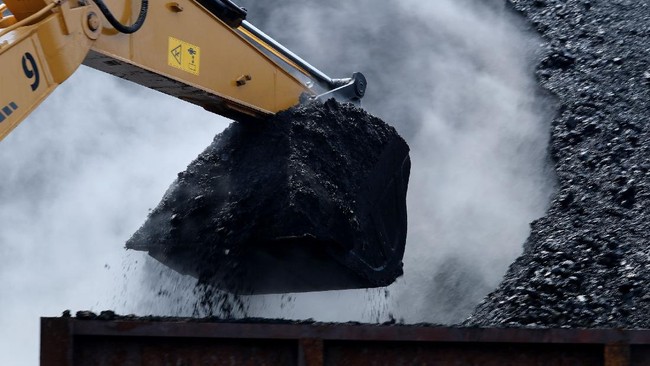
Jakarta, CNBC Indonesia - Coal prices plunged in tandem with the easing of tensions in the Middle East and weakening oil prices.
According to Refinitiv, coal prices closed at US$139.1 per tonne, down 4.6% in trading on Wednesday (1/4/2026). This decline extends its negative trend, weakening by 6.6% over two consecutive days.
The coal price drop aligns with the weakening of global energy prices. In yesterday’s trading, oil prices fell following those comments. The West Texas Intermediate futures contract dropped 1.24% to US$100.12 per barrel, while Brent crude fell 2.7% to US$101.16 per barrel.
European gas prices also plummeted 3.5%.
Coal prices had rallied for three days at the end of March, strengthening by 8%.
Throughout March 2026, coal prices surged 24.55%. This was the strongest gain since May 2022, when prices soared 37.2%.
South African coal prices fell sharply, pressured by shifts in domestic procurement and the arrival of new cargoes that increased supply at ports. However, the removal of old stocks also pressured supply. Rising iron ore prices supported market sentiment.
From China, the Chinese energy and steel commodity markets are again showing contrasting dynamics. On one hand, thermal coal prices at major northern Chinese ports continue to weaken due to soft demand. On the other hand, coke prices are starting to rise after being held back for several days, indicating limited improvement in the steel sector.
Thermal coal prices at ports such as Qinhuangdao and Caofeidian were recorded as softening in line with a combination of fundamental factors that do not yet support price increases.
Repairs at coal-fired power plants remain weak. Utilities are not aggressive because electricity consumption has not shown significant disruptions. This situation is exacerbated by relatively high coal stocks at ports, limiting the need for additional purchases.
Additionally, the decline in coal prices at the mine mouth level is dragging down port prices, reflecting layered pressure from both supply and demand sides.
Amid the domestic weakness, the imported coal market is showing fragmented conditions.
From the buyer’s side, Chinese utilities and traders tend to hold back on purchases because global coal prices are still considered too high compared to domestic supplies. They prefer to use more competitive local coal.
Meanwhile, global exporters, including those from Indonesia and Australia, are involved in not dropping prices too deeply. They are still waiting for a recovery in demand, particularly from other Asian countries.