
Coal Prices Fall for Five Consecutive Days, Aid from Japan and China Fails to Boost Market
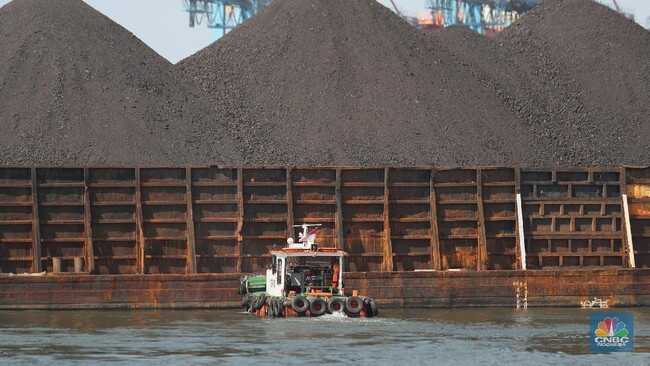
Coal prices have continued to fall for five consecutive days. According to Refinitiv, coal prices on Wednesday (February 25, 2026) were at US$117.25, down 0.64%. This decline extends the downward trend, with coal prices falling by 4% over the past five days. Coal prices have not improved despite positive news from Japan and India. Preliminary data from the Japanese Ministry of Finance shows that Japan imported approximately 15.70 million tons of coal in January, up 2% from January of the previous year. The value of these coal imports reached approximately JPY 334.09 billion (approximately US$2.14 billion), down about 13.2% year-on-year. Imports from the US surged by about 49.4% to approximately 911,000 tons, with the value increasing by about 9.3%. Imports from Russia increased sharply by 258.6%, to about 92,000 tons, with the value increasing by 294.7%. Japan also imported coal from other Asian countries, totaling about 2.66 million tons, up 7.3% year-on-year. The increase in import volume from several source countries indicates that Japan remains dependent on foreign supplies to meet its coal needs, although the total value has decreased due to lower prices or changes in import composition. This trend reflects a shift in Japan’s coal supply and demand patterns in early 2026. From India, it is reported that their coal demand is expected to continue to increase, especially due to rapidly growing electricity needs. Economic growth, industrial expansion, and increased household electricity consumption are the main drivers of the surge in coal-based energy demand. Coal remains the backbone of India’s power generation, accounting for the majority of the country’s electricity production, so the increase in electricity demand directly increases coal consumption. India’s domestic production is also increasing, but it is not always sufficient to meet the surge in demand, so imports remain an important factor in the country’s energy supply. Electricity demand is increasing due to urbanization, population growth, and increased demand for cooling (air conditioning), especially during extreme temperatures. Positive news has also been reported from China. Market sentiment for thermal coal in China’s major mining areas improved on February 25, driven by a gradual recovery in demand after the long holiday and stable coal prices at ports. Demand from end-users is starting to increase again, so coal prices at mine mouths in some major producing areas have increased or are trending upwards. Mining and trading activities are also starting to recover as operations normalize after the holiday period, which is also improving domestic market sentiment. The increase in prices at ports also provides additional support for prices in mining areas, as market participants see better margin opportunities. However, the coking coal market is relatively stable, with prices largely unchanged in the latest market assessments. Market participants are cautious and many are choosing to wait for further developments. The main concern comes from weakening steel prices, which is putting pressure on steel plant profitability and increasing the likelihood that they will put pressure on raw material prices, including coke. Due to this downstream pressure, the potential for coke price cuts is being factored into the market, although it has not yet occurred directly.