
Coal Prices Collapse Again Due to China
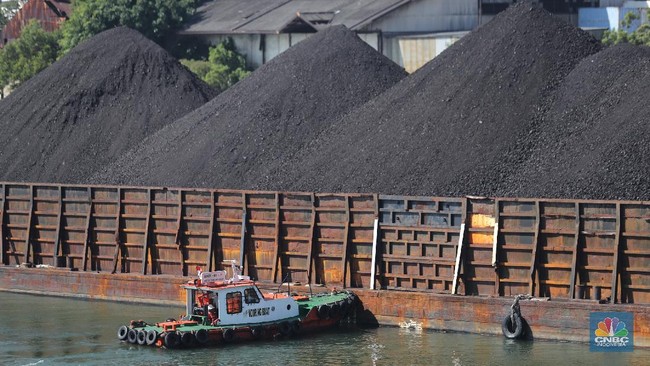
Coal prices fell and failed to capitalise on the momentum of rising crude oil prices. Negative news from Asia has had a greater impact on coal price movements.
According to Refinitiv, coal prices closed at $134.75 per tonne or weakened 0.19% in Wednesday (17 March 2026) trading.
This weakness extends coal’s suffering, which has declined 2.9% over three consecutive days.
Coal prices remained weak even as oil prices surged 2% in Wednesday’s trading. This is the inverse of historical trends where coal prices typically rise alongside oil price increases, as both are substitute energy sources.
Coal prices weakened amid reports of declining Asian seaborne thermal coal imports in February 2026. Imports fell to a four-year low, following weakening demand from major buying nations such as China.
According to Signal Ocean, China imported 25 million tonnes (mt) of coal via seaborne routes in February 2026, down 10% compared to the previous year. This decline also pushed global seaborne coal trade down approximately 1%.
China’s import reduction was primarily driven by rising domestic coal production in the country, which has reduced import requirements. China, as the world’s largest coal importer, has recorded record domestic production in recent years, with power plants preferring local supplies over imported coal.
Additionally, the growth of renewable energy and hydropower plants in several Asian nations has also suppressed coal consumption for electricity generation. This situation has weakened demand for imported coal amid relatively high domestic stocks.
Commodity analyst data shows that seaborne coal trade in Asia has indeed begun to slow, although overall coal consumption remains high. In 2025, for example, Asian seaborne coal imports fell approximately 4.4% to 1.09 billion tonnes, whilst thermal coal imports declined around 4.6% to 860.5 million tonnes.
This trend indicates a shift in coal market structure, where consumption remains substantial but is increasingly met by domestic production, particularly in China.
For major exporters such as Indonesia and Australia, this weakening in Asian imports risks suppressing coal prices and export volumes, particularly if buyer nations maintain high domestic production.
However, positive news emerged from India as demand remains strong. India increased seaborne coal imports by almost 9% to 19 million tonnes in February 2026.
The increase in coal flows to India was driven by stronger industrial demand, particularly from the steel sector. India is estimated to increase raw steel production by approximately 9% in 2026, thus requiring more coal for metallurgical processes as well as electricity generation.
Seasonal factors also play a role. India typically experiences peak electricity demand during the summer months between April and June, so coal imports tend to increase during the first three to four months of each year.
With electricity demand expected to be higher this year, coal imports are also rising, and imports in March and April are projected to follow this trend.
The outlook for seaborne coal trade in 2026 was initially viewed negatively. China, which accounts for nearly 30% of global seaborne coal trade volume, is expected to continue reducing imports as renewable energy becomes a larger share of domestic electricity generation.
However, conflict in the Arabian Gulf could alter this trajectory. Disruptions in the Strait of Hormuz have tightened global LNG and oil markets, driving up fuel costs. In Asia, price-sensitive nations may increase coal consumption in response.
India is an important example. LNG typically accounts for approximately 6-10% of India’s electricity generation, with peak usage occurring between April and June. With LNG prices surging heading into the summer electricity demand season, coal imports are expected to increase to compensate for gas shortages and meet rising electricity needs.
In Europe, coal demand remains structurally limited, although temporary increases cannot be ruled out if gas prices remain elevated.
Overall, geopolitical disruption in the Arabian Gulf could alter global seaborne coal trade flows in 2026, increasing imports to Asia, whilst Europe remains relatively unaffected but retains potential for rising demand.