
Coal-Nickel Production in 2026 Slashed, IMI: Transparency Needed!
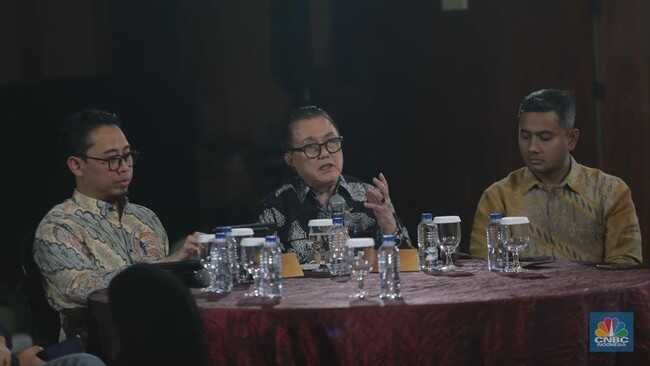
Jakarta, CNBC Indonesia - Irawandy Arif, Chairman of the Indonesia Mining Institute, spoke about the reductions in coal and nickel production in the 2026 Work Plan and Budget (RKAB). Essentially, the reductions are made in pursuit of strategic aims. This includes safeguarding coal and nickel reserves to be more sustainable, protecting national reserves and controlling the rate of extraction. “However, this policy requires transparency and visibility for nickel and coal companies,” Irawandy said during CNBC Indonesia’s Mining Forum, “What is the State of Indonesia’s Mining Industry?” Friday (6 March 2026). Irawandy elaborated that for RKAB reductions, nickel and coal differ. Coal, he said, is more dynamic and requires stability in terms of price and state revenue. “So the policy (that is issued) can be long-term. If it meets the above requirements, it should not be abrupt, fair, and transparent for the mining industry,” he asserted. Previously, Energy and Mineral Resources Minister Bahlil Lahadalia reaffirmed his commitment to cut coal production in 2026. This is done to maintain market balance. According to Bahlil, Indonesia supplies about 500-550 million tonnes of coal, or 43% of the world’s total trade volume which amounts to 1.3 billion tonnes per year. This is the condition that has driven coal prices lower. “Supply is large, demand is small, so prices are cheap. We must interpret that the management of our natural resources, these are state-owned assets and must be managed with care,” said Bahlil at a press conference at the Ministry of ESDM, Tuesday (3 March 2026). He also emphasised that coal is state-owned and must be managed sustainably. The arrangement through RKAB is focused on ensuring national needs are met first. Bahlil then confirmed that for PLN’s needs, coal supplies through March and April pose no problems. He said the government continues to monitor PLN’s coal requirements while also considering quality and a price that is economical. “This is what we are arranging now. What is the aim? To ensure domestic supply can be guaranteed to be available, but also for prices to be good so that entrepreneurs can obtain fair prices. And we must be able to manage our natural resources sustainably and well,” said Bahlil.