
Coal Export Duty Yet to Be Implemented, Purbaya: Some Parties Still Protesting
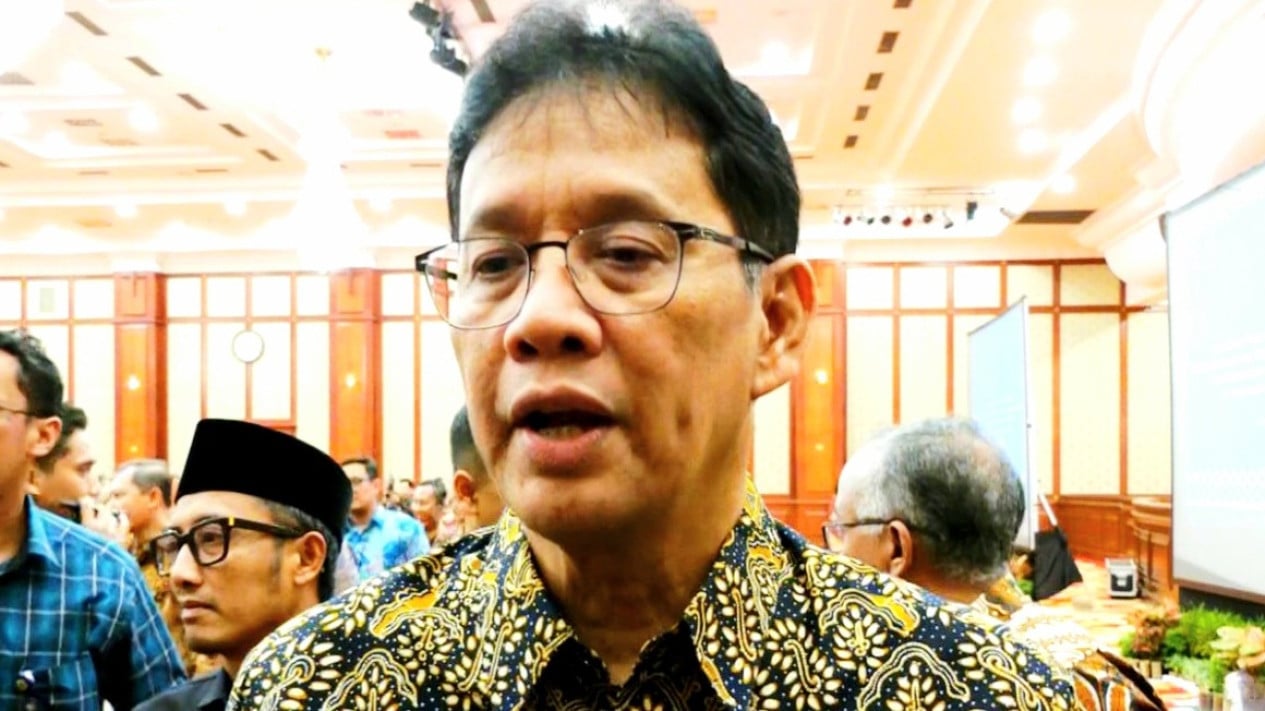
Jakarta, VIVA – Finance Minister Purbaya Yudhi Sadewa acknowledged that the imposition of an export duty on coal commodities has not yet been implemented, as there remain objections from various parties.
“There are still those who are protesting, that is all,” Purbaya said at the Ministry of Finance in Jakarta on Friday, 13 March 2026.
However, he emphasised that his ministry would soon resolve these obstacles so that the policy could be implemented promptly.
“We shall sort it out,” he stated.
The coal export duty was originally scheduled to be implemented on 1 January 2026. Previously, Purbaya stated that the export duty tariff for coal would range between 5 and 11 per cent with several adjustment levels still under discussion.
He had indicated that the coal export duty provisions had entered the regulatory drafting stage. Purbaya assured that the government was finalising regulations on the coal export duty as part of efforts to optimise state revenue from the natural resources sector.
Additionally, Purbaya urged that the coal export duty policy be applied retroactively. According to him, this mechanism would allow the state to obtain significant additional revenue.
Regarding business operators’ response, Purbaya emphasised that the government was not in a position to negotiate with entrepreneurs. Purbaya viewed this policy as part of the government’s efforts to improve natural resource management to provide greater benefits to the state and society.
The implementation of the coal export duty is necessary to balance the substantial value added tax (VAT) refunds from the industry, which has been considered to add pressure on fiscal capacity.
VAT refunds to the coal industry amount to approximately 25 trillion rupiah per year. This substantial reimbursement is believed to have caused state revenue from the coal sector to decline, and could even become negative after accounting for various other tax obligations.
The export duty instrument has been prepared not only to increase state revenue but also to encourage downstream development and decarbonisation, the mechanisms for which are currently being finalised with relevant ministries.