
Coal Becomes Asia's Saviour, But Its Price Is Beyond Help: Crashes!
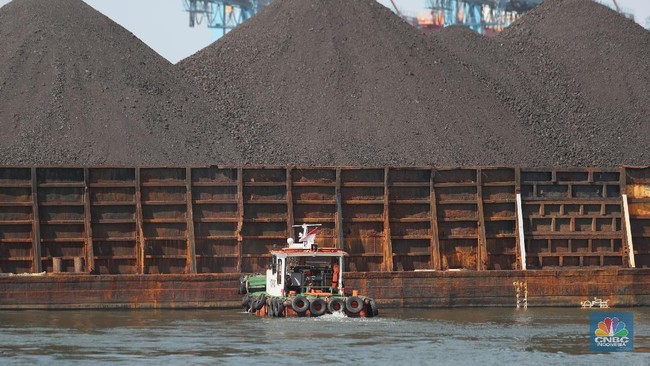
Coal prices have fallen again. On Tuesday (24/3/2026) trading, coal prices closed at US$139.75 per tonne, down 0.53%. This weakening extends the negative trend in coal prices, which have dropped 4.6% over the last two days. However, coal prices had surged 8.7% over three trading days from 19-23 March 2026. Last Friday, coal prices reached US$146.5 per tonne, the highest since 17 October 2024. The collapse in coal prices aligns with the weakening gas prices. Gas prices fell 3.7% on Tuesday. Coal and gas are complementary commodities, so their prices influence each other. Coal failed to match the global oil price surge of 5% yesterday. Coal prices also declined amid numerous positive sentiments. Asian countries are returning to coal amid global energy supply shocks due to the conflict in the Middle East, particularly Iran. Disruptions in the Strait of Hormuz have hampered LNG distribution and caused energy prices to spike sharply. Amid this pressure, coal is once again an “emergency saviour”. Coal has become an important part of Asia’s emergency energy plans. Its widespread availability makes it the primary backup option when renewables or gas are insufficient. China, the world’s largest consumer and producer of coal, has built record coal-fired power capacity since 2021 to enhance energy resilience. Its national policies continue to support coal use, even as clean energy capacity expands. India, the world’s second-largest consumer and producer of coal, is preparing for extreme summer heat and will rely on coal to meet peak electricity demand of 270 gigawatts—nearly twice Spain’s electricity capacity. The country has about three months of coal reserves. India’s LPG shipments that successfully passed through the Strait of Hormuz are likely to be allocated to industries like fertilisers, not power plants. Asia, which has long depended heavily on energy imports, particularly LNG and oil, now faces the bitter reality of disrupted supplies, soaring prices, and very limited quick alternatives. In this situation, coal becomes the most rational choice. This choice is not because it is clean, but because it is available, relatively cheap, and its infrastructure is already in place. India, for example, is increasing coal burning to anticipate a surge in electricity demand during the summer. South Korea is easing restrictions on coal-based electricity use. Indonesia is opting to secure domestic supplies, while Vietnam, Thailand, and the Philippines are also ramping up operations at coal-fired power plants (PLTUs). The pressure on energy systems is increasingly evident, with the Philippines even declaring a national energy emergency. The Iran war highlights the fragility of Asia’s energy system. Although it appears as a quick solution, analysts warn that coal is merely a “temporary patch”. Repeated dependence could become a long-term trap.