
CNG Emerges as Strategic Option to Reduce LPG Dependency
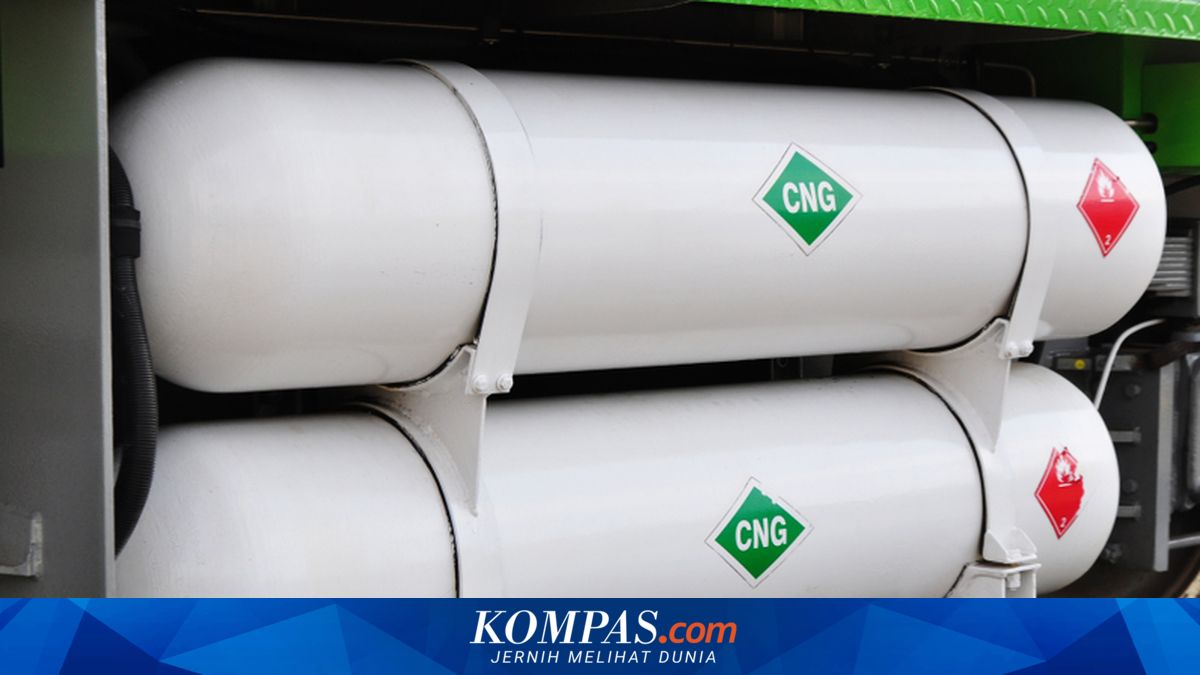
The utilisation of Compressed Natural Gas (CNG) is being positioned as a strategic option to reduce Indonesia’s dependence on imported LPG, while also expanding energy access for communities not yet reached by gas pipeline networks. This initiative has gained prominence amid rising energy demands, with approximately 80% of national LPG needs still fulfilled through imports. “As part of the national energy ecosystem, PGN is ready to play an active role in developing CNG as an efficient, safe, and environmentally friendly energy solution,” stated PGN Corporate Secretary Fajriyah Usman recently. The role of CNG is increasingly relevant as it can reach areas not connected to gas pipeline networks, serving as a bridge between infrastructure limitations and growing energy needs. PGN, through its subsidiary PT Gagas Energi Indonesia, is expanding CNG services via the Gaslink product for industrial, commercial, and retail sectors, as well as Gasku for land transportation through Gas Fuel Filling Stations (SPBG). Currently, PGN Gagas operates 14 SPBGs in seven provinces, with an average of around 2,200 vehicles refuelled daily. Total gas fuel distribution for transportation reached 1.63 BBTUD as of September 2025. The use of CNG is also entering government strategic projects, such as providing kitchen energy for the Free Nutritious Meals (MBG) programme in Batam, Bogor, and Boyolali. In September 2025, PGN Gagas constructed the Medan CNG Mother Station with a capacity of 1 MMSCFD to meet the needs of industries, commercial entities, and SMEs in North Sumatra, with potential utilisation up to 4.48 BBTUD. “PGN continues to develop infrastructure to distribute CNG to customers not directly connected to natural gas pipelines,” said Fajriyah. “CNG becomes a solution so that more people can enjoy the benefits of efficient, practical, and environmentally friendly energy,” she added. She further noted that CNG utilisation also supports environmental targets such as Net Zero Emission. Member of DPR RI Commission XII Yulisman assessed that CNG can serve as a realistic transition solution based on abundant domestic gas. “CNG can be a realistic transition solution. We have substantial domestic gas resources; it’s just a matter of distributing them effectively to the public and business sectors,” said Yulisman on Tuesday (29/4/2026).