
Climate Change and Health Threats: An Eco-Epidemiological Perspective
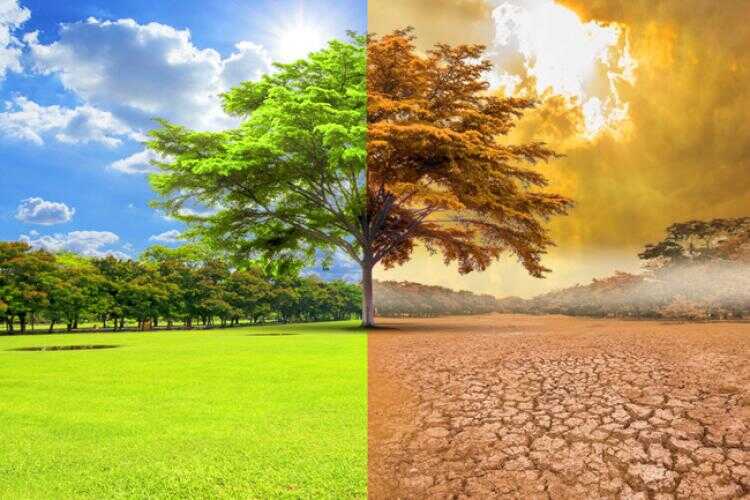
Climate change is no longer understood solely as an environmental crisis, but also as a serious threat to human health. Several scientific studies published in the journal Preventive Medicine and available through PubMed Central highlight that the eco-epidemiological approach is key to understanding the complex relationship between climate change and global health.
This approach views the climate crisis as a multidimensional issue involving the simultaneous interaction of biological, social, economic, and ecological factors.
Eco-epidemiology is an approach in public health science that not only looks at disease from the biological side of the individual, but also from the reciprocal relationship between humans and their environment.
In the context of climate change, this approach examines how global warming, changes in weather patterns, and ecosystem disruptions affect the distribution of diseases and increase public health risks.
Rather than looking for a single cause, eco-epidemiology views health as the result of a network of interconnected factors, ranging from greenhouse gas emissions to the socio-economic conditions of communities.
From an eco-epidemiological perspective, climate change impacts health through various interconnected pathways.
Rising global temperatures trigger more frequent and intense heat waves. This condition increases the risk of dehydration, cardiovascular disorders, and even death, especially among the elderly and vulnerable populations.
Changes in temperature and rainfall also affect the habitats of disease vectors such as mosquitoes. As a result, infectious diseases such as malaria and dengue fever have the potential to spread to areas that were previously unaffected.
In addition, changes in planting seasons, droughts, and floods disrupt food production. These disruptions increase the risk of malnutrition and diseases related to nutritional deficiencies.
Not only does it have physical impacts, climate disasters such as storms, wildfires, and floods also trigger psychological trauma and long-term mental health problems in affected communities.
The eco-epidemiological approach emphasizes that the impacts of climate change do not occur evenly. Developing countries, which have relatively small emissions contributions, actually face greater health risks due to limited infrastructure and health care systems.
This condition shows that the climate crisis is also an issue of global health justice. Poor communities and vulnerable groups have lower adaptive capacity to rapidly changing environmental conditions.
Researchers emphasize the importance of integrating environmental and public health policies. Mitigation efforts such as reducing carbon emissions not only maintain climate stability, but also provide direct health benefits, including improved air quality.
On the other hand, health systems need to strengthen community-based adaptation strategies to address the increasing risk of disease due to climate change.
From an eco-epidemiological perspective, climate change is a phenomenon that connects ecology, society, and human health in a mutually dependent system. The climate crisis is not just a matter of rising temperatures, but also involves changes in disease patterns, food security, and global health stability in the future. Source: National Library of Medicine