
Clearer Signs of the Apocalypse as Lost Worlds Are Found Beneath the Ice Worldwide
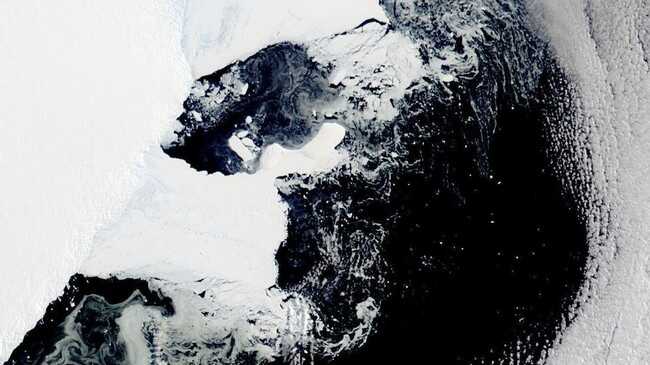
Global warming triggers the melting of ice sheets, potentially raising sea levels. This could spell disaster for ecosystems and trigger natural disasters.
Conversely, the melting ice is revealing secrets of a ‘lost world’ buried for thousands of years, with researchers reporting evidence of many ‘other worlds’ beneath the ice.
The so-called ‘apocalypse signs’ of global warming are driven by burning fossil fuels that release carbon dioxide and other greenhouse gases into the atmosphere.
As a result, Earth’s temperatures have risen, and melting has occurred for decades, with its pace accelerating over time.
Archaeologists have found evidence of human life from centuries past. One example is the well-preserved remains dating back thousands of years, known as Ötzi the Iceman, found in the Alps in 1991.
The artefacts surrounding Ötzi can be studied directly due to the preservation; otherwise organic materials would quickly decay. These include plant fibres, wood, and leather.
The discovery led scientists to the Neolithic period in the Alpine region, launching a field known as ice-archaeology.
In addition, archaeologists have found traces of people buried thousands of years ago through research into ice blocks and materials unearthed in Europe, North America, and Asia.
For example, evidence of humans who hunted and herded reindeer 6,000 years ago. The discovery comes from a 70-metre-long tunnel carved in the Juvfonne ice layer in Norway, as reported by Nature on Wednesday (4 March 2026).
Many ancient artefacts are being revealed as the ice melts, with contents related to hunting large game.
Another discovery was in the Rocky Mountains in 2007. Archaeologist Craig Lee found the oldest artefact from the ice layer to date, a tool for throwing spears. Its forward shaft was made from young birch wood and dates to about 10,300 years ago according to carbon dating.