
Clean Water Access Reaches Pasirranji, Residents' Expenditure Burden Decreases
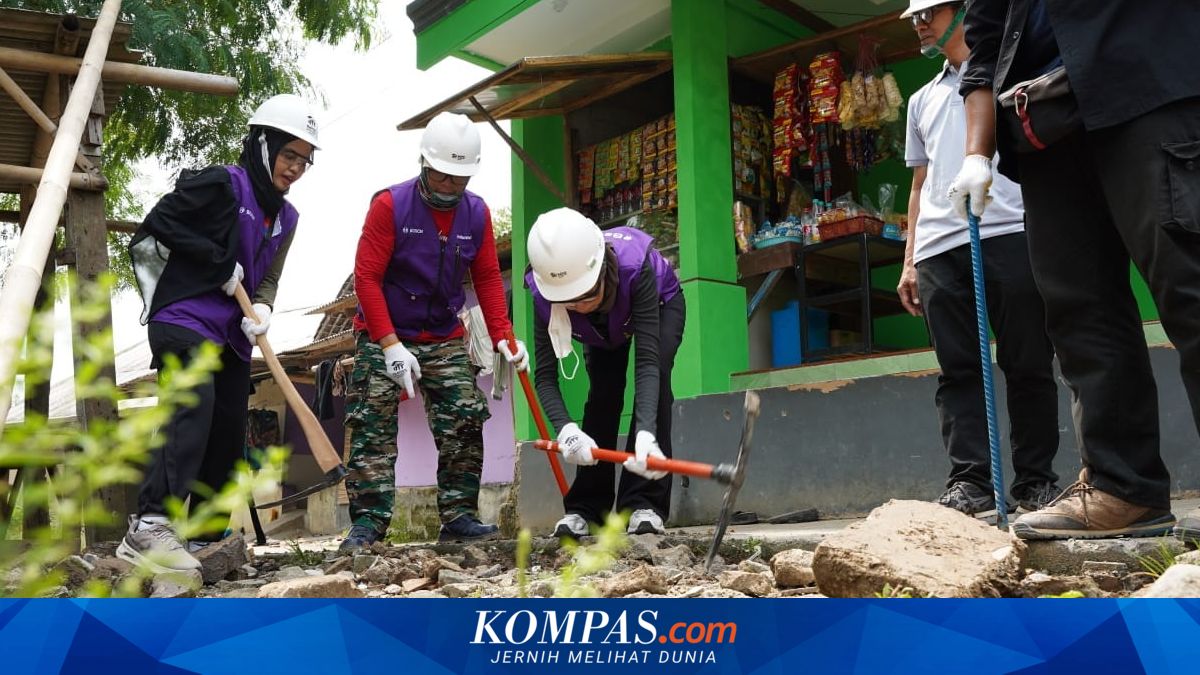
JAKARTA, KOMPAS.com - Residents of Pasirranji Village, Cikarang Pusat Subdistrict, are beginning to feel the changes after clean water access flows directly into their homes. Amid the continuously developing industrial area, basic needs that were previously difficult to obtain are now gradually becoming more accessible.
Previously, some residents still faced limitations in accessing potable water, both in terms of quantity and quality. Groundwater from wells around the settlements was indeed utilised, but its condition was often murky and did not meet standards for daily needs.
“The water is there, but it’s often yellow, oily, and tastes bitter, so it can’t be used,” said Pasirranji Village Head Wardi Sunandar, in a press statement on Friday (8/5/2026).
“Because of that, residents have to rely on water supplies from the piped system,” he continued.
Due to the limitations of groundwater sources, most residents depended on water supplies from outside the area. Clean water even had to be brought from a distance of dozens of kilometres before it could be used in residents’ homes.
That situation made water distribution time-consuming and dependent on the availability of fleets and supply queues. In such conditions, residents had to manage water usage carefully so that supplies did not run out before the next delivery arrived.
“We order a tanker truck, sometimes it arrives two days later because of the queue,” said Atang.
He said the costs incurred to meet water needs could reach around Rp 160,000 per week or nearly Rp 1 million per month. That amount did not include the purchase of gallon water during emergencies.
In addition to the substantial costs, residents also faced supply uncertainty. In some conditions, residents had to carry jerry cans around to find available water sources.
However, the situation is starting to change with the entry of the piped network into residents’ settlements. The presence of that network is gradually changing the way the community meets their daily water needs.
For Atang, that change also impacts household expenditure. If previously water costs approached Rp 1 million per month, now it has dropped to around Rp 300,000 to Rp 400,000 for two households.
“Now it’s at most Rp 300,000 to Rp 400,000 per month. Before, it could reach one million,” he said.
On the other hand, dependence on jerry cans and tanker trucks is starting to decrease. Residents no longer have to travel long distances or wait for water supplies to meet their daily needs.